
This story is republished from STAT, the health and medicine news site that’s a partner to the Globe. Sign up for STAT’s free Morning Rounds newsletter here.
Cambridge-based Amylyx Pharmaceuticals said Tuesday that its experimental drug significantly helped patients who experience sudden drops in blood sugar after bariatric surgery, paving the way for its potential approval as the first treatment for the condition.
In a Phase 3 trial of people with post-bariatric hypoglycemia, or PBH, those taking the drug experienced a 55 percent reduction in the rate of serious low blood sugar events compared with those on placebo. This was better than expected; the study was statistically powered to show a 35 percent improvement over placebo.
A serious event is a medical emergency that could mean the person loses consciousness or experiences a seizure, so “any reduction in these hypoglycemic events would be very meaningful for people with PBH and their families,” said Amylyx co-CEO Justin Klee. To see such a large effect in the study “is just so exciting.”
The drug, called avexitide, is critical for the future of the company. Two years ago, it pulled its ALS drug off the market after a post-marketing study showed it wasn’t helping patients. Now, it’s banking on avexitide, which it plans to seek approval for before the end of the year. Estimates of peak sales for the treatment range from $500 million to over $1 billion.
An approval would also be a game-changer for patients. PBH affects about 8 percent of people who undergo bariatric surgery, or roughly 160,000 people in the US. Their bodies produce excessive levels of the GLP-1 hormone, which drives up insulin levels and then leads to sudden drops in blood sugar.
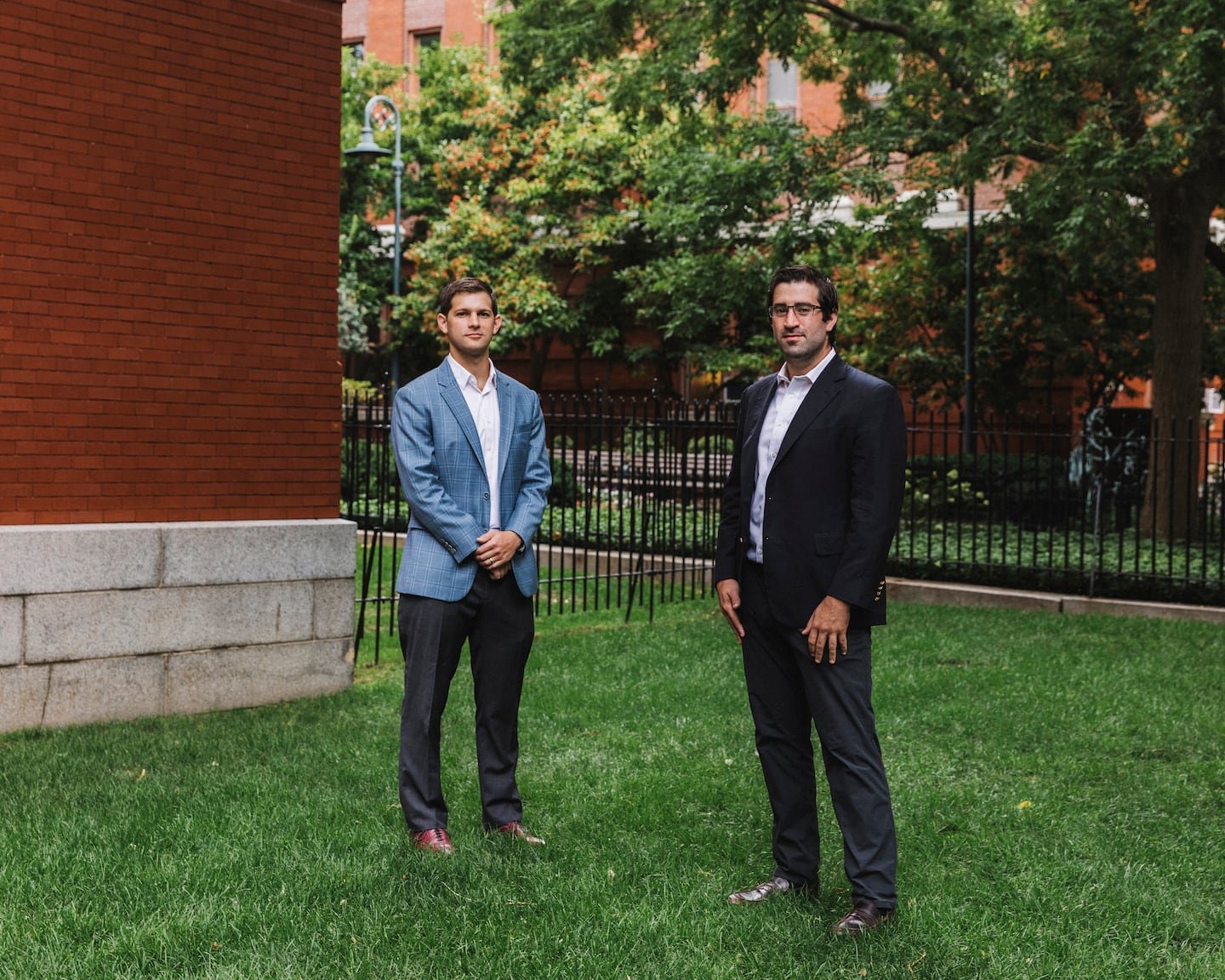
Amylyx’s other co-CEO, Josh Cohen, said the condition significantly interferes with patients’ daily lives. He’s heard stories about people being afraid to shower without somebody else present because of the fear of losing consciousness. To manage the condition, people have to eat small amounts of food throughout the day to try to not spike GLP-1 levels, but that doesn’t always work. And when they do experience low blood sugar, there’s currently no easy fix.
The drug works by blocking receptors of the GLP-1 hormone, acting essentially opposite to the popular weight loss and diabetes medications that activate GLP-1 receptors. Even though avexitide blocks GLP-1 receptors, patients in the study did not experience weight changes.
There were no serious adverse events, and the most common side effects were diarrhea and injection site irritation and bruising.