
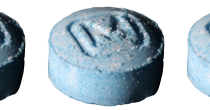
The “war on drugs” sought to reduce substance abuse by driving up prices and lowering demand. Today, street drugs are less expensive and more dangerous than ever.
In the early 1970s, the American government launched what became known as the war on drugs. The goal was to reduce substance abuse. The strategy: Crimp the demand for heroin, cocaine and other illicit substances by disrupting the supply and making drug use expensive.
A key way “we measured success was getting the price up,” said Robert DuPont, who served as the White House drug czar from 1973 to 1977. “It meant we got the job done.”
For a few years, prices did rise. But then they started dropping — and kept dropping. Over the last two decades, the cost of getting high on opioids has fallen more than 90 percent, and the prices of other illicit drug experiences have dropped precipitously, too.
By contrast, the cost of many consumer items has risen steadily. In 1981, $10 would easily buy eight McDonald’s Big Mac hamburgers; last year, it wasn’t even enough to buy two. The result is a stark economic reality: It has become harder to buy dinner out, compared to most other purchases, but much easier to get high.
Prices Drop, Deaths Rise
In 1972, 6,700 people died of overdose in the United States. In 2024, the figure was 80,000. Many factors contribute to the death rate, which soared beyond the rate of population increase, including the widespread use and accessibility of ultra-potent drugs that are cheap by historical standards.
“When the price drops, people use more,” said Jonathan Caulkins, a Carnegie Mellon professor who researches drug prices and policy. “When they use more, they die more.”