
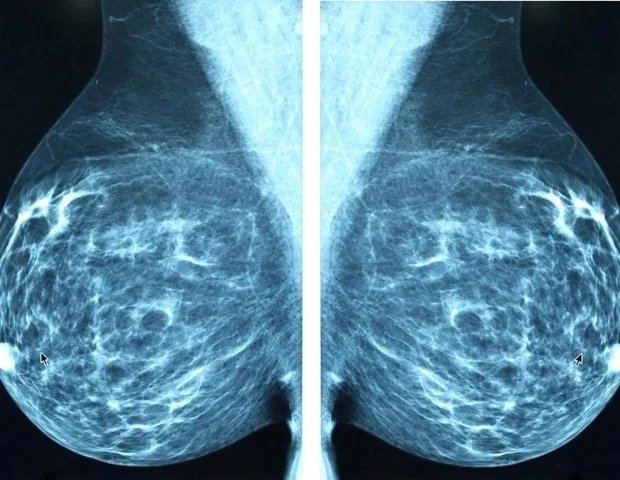
Standard memory tests such as word-pair or list-learning tests used in clinics may fail to detect the real-life memory problems reported by many female breast cancer survivors after chemotherapy. A new study in De Gruyter Brill’s journal Translational Neuroscience, “Limitations of Standard Memory Assessments in Breast Cancer Survivors,” is the first to systematically compare the effectiveness of a standard memory test with a story-based test portraying real-life situations for these women.
Breast cancer is the most commonly diagnosed cancer among women worldwide and treatments such as chemotherapy are frequently linked to widely reported cognitive impairments, often called “chemobrain” or “brain fog.” These impairments are not limited to breast cancer or to women and can include difficulty in remembering personal events, following conversations, shifting between tasks, and speed of response. Cancer survivors involved in the research, reported exerting more mental effort to complete complex real-life memory tasks and described experiencing greater difficulties with both specific event memory and general knowledge recall in their daily lives, for example.
The researchers paired female breast cancer survivors at least six months after treatment with an age-matched control group of women without a cancer history to conduct the two online testing sessions. The groups were given two verbal memory tests. In the first (verbal paired associates), they were told a list of word pairs (shoe-banana, book-fingers, etc.) and asked which target word was paired with each. The second test (Taler Stories) assessed how well they could recall details of everyday events in a form of a story, such as “One sunny Saturday, Fred and Grace went to visit their two grandchildren in New York.“
The researchers found that while survivors performed similarly to the control group on the word-pair test, they recalled fewer details in the story-based test. They concluded that standard clinical memory assessments can underestimate the real-world impact of chemotherapy-related memory impairments.
One of the most exciting contributions of this work is that it provides objective scientific evidence supporting the memory difficulties commonly reported by breast cancer survivors experiencing brain fog, even when these impairments are not always detected by standard cognitive assessments.”
Melanie Sekeres, Study Author, Associate Professor, School of Psychology, University of Ottawa, and Canada Research Chair in Contributions of Neurocognitive Functioning to Brain Health
The researchers believe that standard memory tests remain essential for survivor care, but they suggest supplementing them with tests that better reflect the demands of daily life. Although this study focuses specifically on women treated for breast cancer, its implications could be far broader. Expanding these assessment tools could improve the identification of chemotherapy-related “brain fog,” highlight the long-term challenges survivors face, and guide targeted intervention, such as dietary support, physical activity, and stress reduction.
Source:
Journal reference:
Bradley-Garcia, M., et al. (2026). Limitations of standard memory assessments in breast cancer survivors. Translational Neuroscience. DOI: 10.1515/tnsci-2025-0401. https://www.degruyterbrill.com/document/doi/10.1515/tnsci-2025-0401/html