
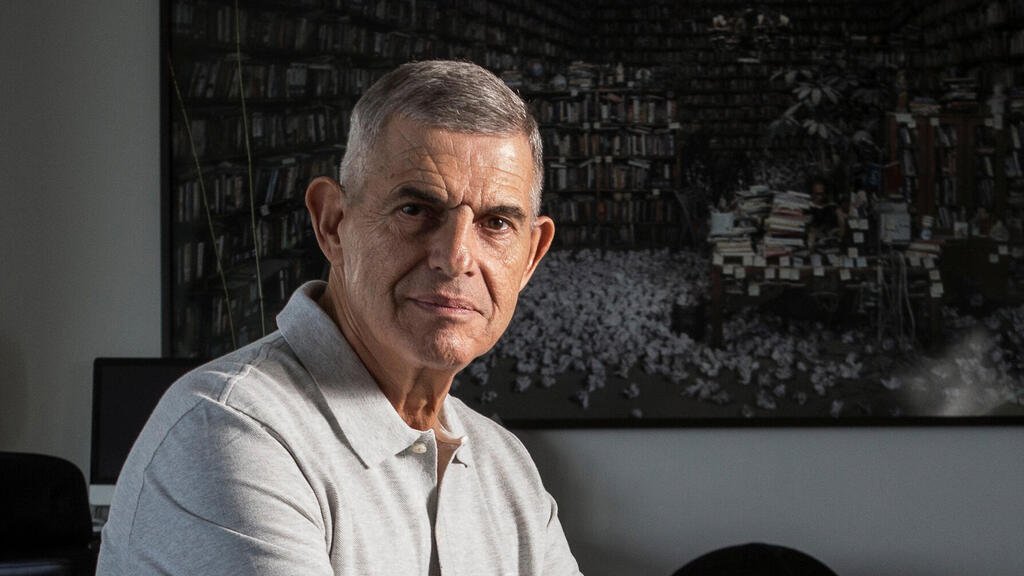
Some philanthropists live for buildings with their names on them. Shmuel Harlap preferred bylines.
The Israeli auto magnate, technology investor and writer whose fortune underwrote the largest gift in the history of Israel’s healthcare system died Aug. 18 at his home. He was 82.
Harlap built his family’s firm, Colmobil, into Israel’s largest car importer and held a significant stake in Mobileye, the autonomous-driving company Intel bought for $15.3 billion in 2017. Following his massive financial success, he and his wife, Anat, steered much of that wealth toward science and medicine, giving $180 million to Petah Tikva’s Rabin Medical Center (often referred to as Beilinson Hospital) and $10 million to the Weizmann Institute of Science, and he became a central patron of the Institute for National Security Studies. Following the events of Oct. 7, 2023, he donated 120 cars to assist displaced individuals from the Gaza envelope.
Harlap was a columnist for the Israeli publications Haaretz and TheMarker, filtering economic and social critiques through the lens of his Harvard philosophy degree.
Clalit-Beilinson Hospital, where the Harlaps’ donation is funding a new heart and brain center, told eJewishPhilanthropy in a statement that Harlap was “a visionary, one of Israel’s leading business leaders and philanthropists, and a true friend of the hospital and Israel’s public healthcare system.”
The couple’s $180 million gift to Rabin Medical Center ranked at the time as the largest ever made to Israeli healthcare. It will open the 15-story Tower of Hope in early 2027, adding hundreds of beds for cardiac and neurological care. Rather than attach their own name to the building, the Harlaps chose “Tower of Hope” for what the hospital described as “a place open to everyone, regardless of religion, community, or background.” The hospital said it would honor a benefactor who held “that medical excellence, science, and innovation are assets belonging to society as a whole, and that even in the most challenging times, we must choose hope and invest in the future.”
At INSS, colleagues remembered a donor who stayed closely engaged with the work he funded. Ofer Shelah, who heads the institute’s Israel’s National Security Policy program, said Harlap “neither sought to see his name on a plaque nor limited his involvement to making a donation, but continued to push, encourage, and critique us, always with deep passion and great friendship.” The program, Shelah said, “would not have been established without him. There were few like him.”
Tamir Hayman, the institute’s executive director and a former head of Israeli military intelligence, called Harlap “a man of truth, a man of letters and a razor-sharp intellectual, as well as a highly successful businessman who cared deeply about the fate of the State of Israel.”
Harlap is survived by his wife, Anat, their two children, Goni and Asaf, and seven grandchildren.