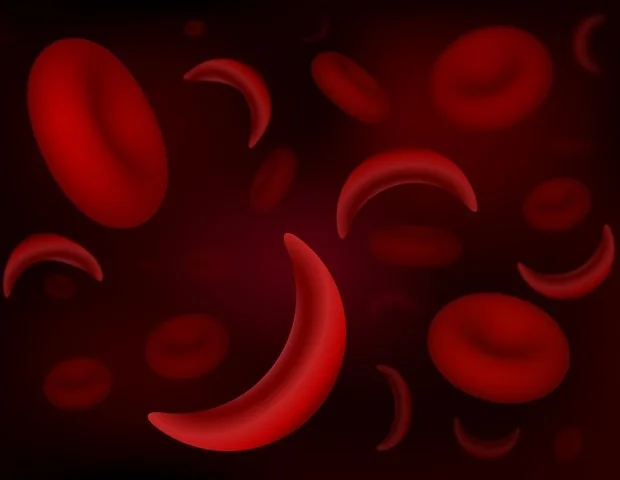
The Icahn School of Medicine at Mount Sinai has received a $4.1 million grant from the National Heart, Lung, and Blood Institute, part of the National Institutes of Health, to study how everyday exposures affect the health of people with sickle cell disease.
The funding may help clinicians better understand how everyday factors in people’s homes and neighborhoods-including food, air quality, temperature, and housing-may worsen symptoms. Led by the Department of Emergency Medicine, the study aims to improve health and quality of life for people with sickle cell disease.
We have heard time and time again from our patients: their lives impact their disease, and vice versa. But until now, how daily life impacts sickle cell disease hasn’t been studied very much. We are excited to partner with people living with sickle cell disease to understand this better, while applying rigorous scientific methods to make sure our conclusions are impactful. We know that where you live impacts your health. People living with sickle cell disease might be particularly susceptible to everyday things in their homes and neighborhoods that impact health-things like food, air quality, temperature, and housing. We hope our findings will help people living with sickle cell disease to live healthier lives in their communities.”
Sarah McCuskee, MD, Assistant Professor of Emergency Medicine, and Global Health and Health Systems Design, Icahn School of Medicine at Mount Sinai, and study’s principal investigator
Sickle cell disease (SCD) is a single-gene disease that can cause inflammation, pain, and organ failure, and is among the costliest chronic diseases. However, outcomes vary widely among individuals, and the reason remains unknown. Past preliminary work has identified potential mechanisms through which neighborhood and personal exposures may affect SCD pathogenesis. This new project will measure the effect of place-based drivers of health, including stressors such as crime, unhealthy food, neighborhood temperature, airborne particulates, and housing.
The study will link blood samples that people with sickle cell disease have already donated for research to the everyday exposures they experience, including particles in the air (PM2.5), temperature, food, and stress. Researchers will use general data from advanced satellite models for this part of the study. Investigators will also measure, in real time, the particles that people with sickle cell disease breathe using portable sensors, along with their diet and stress levels, and link those exposures to their body’s energy sources and inflammation.
“We are measuring everyday exposures to understand their impact on health in people with sickle cell disease and this is among the first prospective studies of exposures in sickle cell disease to ever be done,” adds Dr. McCuskee. “We plan to develop tools based on our results to help clinicians counsel patients. We hope that the methods we develop could form a model for investigating and understanding other chronic and genetic illnesses.”
When the study is complete, researchers will share the results widely, including through publicly available maps of neighborhood exposures co-developed with the New York City sickle cell community.
The grant will be distributed over five years.
This research will be conducted in collaboration with the Human Immune Monitoring Center at Mount Sinai, the Institute for Exposomic Research at the Icahn School of Medicine at Mount Sinai, and the Center for Sickle Cell Disease.
Source: