
Blood biomarkers began shifting years before the final menstrual period, revealing a prolonged biological change that may connect the menopausal transition with inflammation.
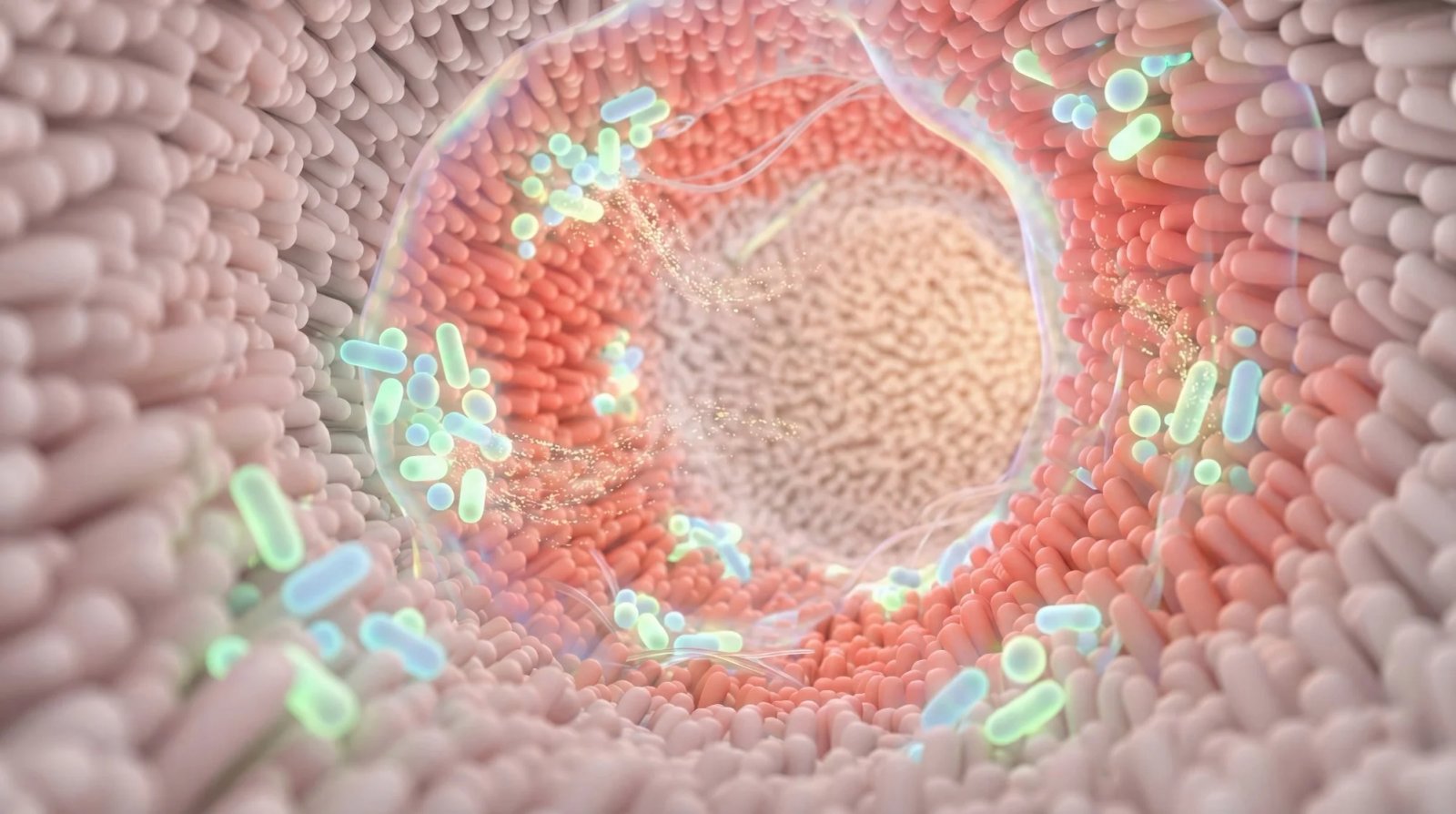
Study: Markers of compromised gut epithelial barrier integrity increase during the menopause transition. Image Credit: Rost9 / Shutterstock
A recent study published in the Journal of Clinical Investigation found that the menopause transition was associated with a sustained increase in blood markers of compromised gut epithelial barrier integrity.
Background
Inflammation is linked to multiple health conditions in older adults, including osteoporosis, diabetes, cardiovascular disease, and dementia. Studies in female mouse models have shown that menopause is associated with increased gut permeability, resulting in inflammation.
The experiments showed that as sex steroid levels fall, gut epithelial junction proteins decrease in abundance, resulting in increased gut epithelial permeability. The gut epithelium normally forms a barrier between the intestinal contents and the rest of the body.
When this barrier is compromised, microbial products from the gut may pass more readily into the circulation. This translocation of gut microbe antigens from the intestinal lumen into the subepithelial tissue activates immune cells and provokes low-grade inflammation.
An earlier pilot study showed that in the postmenopausal period, markers of impaired gut epithelial barrier integrity increase. However, it could not distinguish whether these were driven by menopause or by aging, as both occur side by side and both are linked to chronic low-grade inflammatory conditions.
Study characteristics
The current study sought to examine whether the menopausal transition (MT) is associated with higher levels of these markers, specifically fatty acid-binding protein 2 (FABP2) and soluble CD14 (sCD14).
FABP2 is a protein produced by enterocytes in the gut mucosa. Elevated levels in circulation are therefore considered a marker of gut mucosal injury. sCD14 is secreted by immune cells upon sensing lipopolysaccharide (LPS), a component of Gram-negative microbes. Higher sCD14 levels can therefore serve as an indirect marker of exposure to Gram-negative bacterial products and were used in this study to estimate translocation of gut microbial products.
The researchers examined long-term changes in these two blood markers relative to each woman’s final menstrual period (FMP), before, during, and after the menopausal transition.
The analysis included 964 women from the SWAN Bone Cohort. All had undergone natural menopause and had a known FMP. Approximately 27% were Black, 44% White, 14% Chinese, and 15% Japanese.
The researchers censored observations after participants began using sex steroid hormones and excluded visits involving medications that could affect gut permeability or inflammation, including anti-inflammatory drugs”>NSAIDs, glucocorticoids, and antibiotics.
The average age at the first visit was about 49 years. This was approximately 2.8 years before their FMP, with the mean body mass index (BMI) being about 27.3 kg/m².
The analysis included 3,546 repeated assessments, covering a period from 8.9 years before to 16.3 years after the FMP. Participants had a median of four assessments each.
Participant characteristics at first assessment
The median FABP2 level was 1,007 pg/mL, while the mean sCD14 was approximately 750 ng/mL. FABP2 values were similar across Black and White participants. However, Black women had lower sCD14 values than White women.
Chinese women had higher FABP2 and lower sCD14 values than White participants, while Japanese women had lower levels of both markers than White participants.
How the markers changed during the menopausal transition
Both markers followed three distinct phases of change, separated by two inflection points. The sCD14 trajectory lagged the FABP2 trajectory by approximately six months.
The researchers considered the period between the two inflection points to be the MT-related change period, with the periods before and after it considered pre- and post-menopause, respectively, for modeling purposes.
Both markers remained stable before their first inflection points. These occurred 2.5 years before the FMP for FABP2 and 2 years before it for sCD14, marking the beginning of an MT-related rise in markers of gut epithelial barrier dysfunction.
The second inflection point was after the FMP, with the slope decreasing at 6 and 6.5 years afterward for FABP2 and sCD14, respectively.
In the model’s reference participant, FABP2 increased by 2.6% per year during the MT-related period, amounting to a total rise of 26.3%. sCD14 increased by 0.8% per year, amounting to a total rise of 7.5%. The reference participant was a White woman with sample-average BMI and age at FMP.
About 6 to 6.5 years after the FMP, both markers stabilized at levels higher than those seen before menopause. The rates of change for either marker were not associated with race or ethnicity, age at menopause, or BMI.
The authors also examined whether impaired gut barrier function could be a pathway contributing to gut microbial translocation. For each 10% increase in FABP2, there was a 2.6% increase in sCD14.
Moreover, when the slope model was adjusted for FABP2, the rate of MT-related increase in sCD14 decreased by 13.8%.
Limitations
The current study did not directly assess gut permeability but relied on indirect circulating markers. In particular, sCD14 is not specific for gut microbial translocation. In addition, the parent SWAN study did not provide data on probiotic use or on all medical conditions that could affect gut barrier function.
The authors noted that the MT stage was not linked with conditions that disrupt the gut barrier. They therefore argued that the lack of adjustment for such factors was unlikely to have confounded the observed associations and may instead have weakened them.
Conclusions
According to the authors, this is the first longitudinal study in humans to show an MT-related increase in markers of gut epithelial barrier dysfunction and gut microbial antigen translocation in generally healthy women.
“The current analysis substantiates that this increase in markers of compromised gut epithelial barrier integrity is indeed associated with the MT.”
Both markers increased over a period of approximately nine years. The increase began abruptly about 2.5 years prior to the FMP and began to slow down about 6.5 years after it.
The researchers note that a similar pattern is observed in other outcomes related to menopause, such as bone mineral density and body composition, though the precise timing of when these changes accelerate and subsequently slow varies across outcomes.
The study also suggests that these biomarkers may be sensitive enough to detect physiologic changes in gut barrier integrity in generally healthy people, rather than only abnormalities associated with disease. However, further research is required to assess their reliability before they can be considered for clinical use.
Taken together, the findings suggest that gut barrier dysfunction may accelerate during the menopausal transition across the racial and ethnic groups studied, potentially contributing to immune activation and providing a target for future interventions.
The authors point to preclinical studies in which certain probiotic strains or mixtures improved intestinal barrier function, reduced inflammation, and limited menopause-related bone loss. Whether such approaches can prevent menopause-related gut barrier changes or improve health outcomes in women remains to be established in clinical trials.
Future studies should evaluate how these biomarkers are linked to menopause- and inflammation-related outcomes. If such associations are established, clinical trials could assess the effectiveness of interventions aimed at preventing these gut barrier changes.
Journal reference:
- Shieh, A., Epeldegui, M., Karlamangla, A. S., et al. (2026). Markers of compromised gut epithelial barrier integrity increase during the menopause transition. Journal of Clinical Investigation. DOI: 10.1172/JCI205059, https://www.jci.org/articles/view/205059