
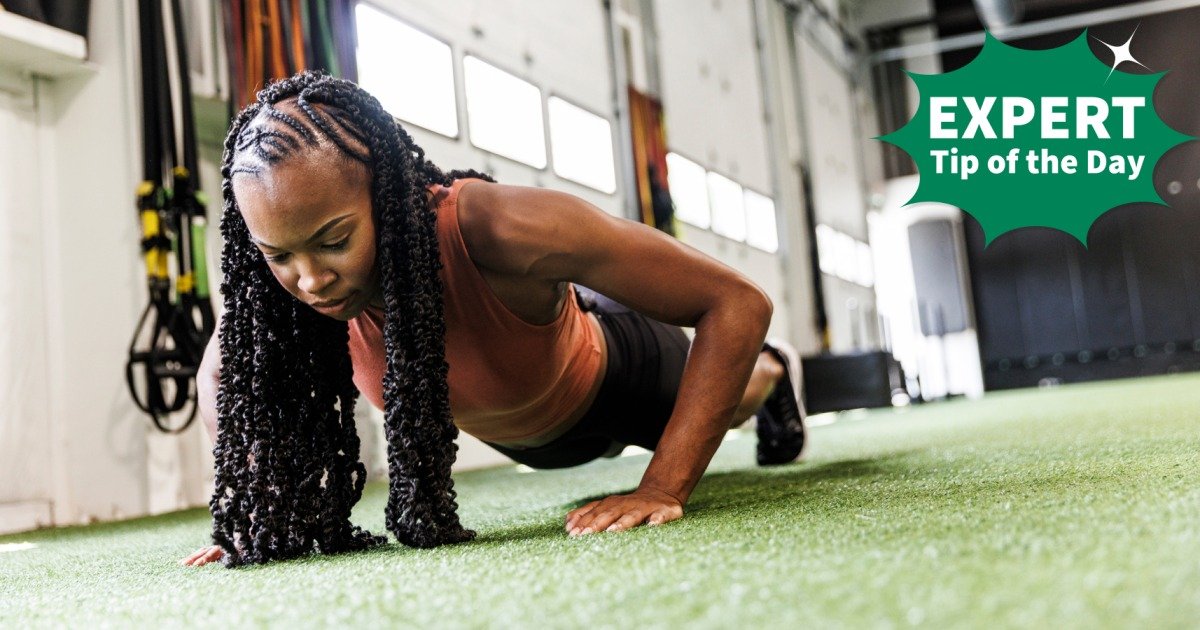
About 11% of Americans are taking a GLP-1 medication, up considerably from 3% in 2024, according to a recent Gallup poll. These medications can be powerful tools to help patients reach a range of health goals, but it’s important that they’re combined with a healthy diet and regular exercise, experts say.
Strength training is especially important since loss of muscle is a documented side effect of weight loss due to these medications. If you’re not sure how to get started, Heidi Skolnik, exercise physiologist, sports nutritionist and author of “Your GLP-1 Game Plan” shares her best advice.
Fitness Tip of the Day: Try Compound Exercises When Strength Training on a GLP-1
“Unlike isolated exercise movements, like bicep curls or leg raises, that only target one specific area at a time, compound movements, like squats or lunges, work multiple joints and muscles at once,” Skolnik tells TODAY.com.
“This makes them highly efficient and highly functional, which means you work more muscle in less time and you’re training your body to handle real-life activities.”
The areas of the body that Skolnik says to prioritize are the large muscle groups: glutes, thighs, chest and back. Arms and shoulders are good, too, but the other groups make up the majority of your muscle mass.
If you’re new to strength training, you may need to work up to compound exercises, as they can be tougher on your ligaments and joints, she adds.
“The best starting point will vary from person to person. If you have health challenges, make sure you are working with someone can offer appropriate guidance,” Skolnik says.
Why It Matters
When you lose weight, no matter how, you’re likely to lose muscle mass. But with GLP-1s, since people often lose weight more quickly, there is a risk of also losing muscle at a faster pace.
That’s why it’s important to know that “weight loss is not a race,” Sklonik emphasizes, and to try to counter it with strength, aka resistance, training.
Adequate muscle mass can help with many functions throughout the body, Skolnik explains — such as clearing glucose from the blood stream, promoting mobility and bone density, reducing risk of age-related disease, and improving cognitive health.
“It’s also worth noting that as you get older, you naturally lose a little muscle each year, but these medications can accelerate that loss. So countering that with adequate resistance training and dietary strategies can go far,” she adds.
How to Get Started
Skolnik recommends starting strength training before you begin taking a GLP-1, or at the same time, as it’s easier to prevent muscle loss than to try to gain it back.
(But don’t wait to start a medication because you’re unable to strength train right away, if it a medical professional prescribed it to treat a health condition, like diabetes or obesity — in that case, do what you can, Skolnik says.)
Compound exercises that work the major muscle groups include:
- Lunges
- Squats
- Romanian deadlift
- Plank
- Burpee
- Kettlebell swing
- Fire hydrant
- Shoulder press
- Mountain climbers
“Take time with your weight loss and progressively increase your strength training,” Skolnik says. “Don’t rush. Start with what you can. Explore YouTube Videos or other reputable online sources, visit your local community center, seek the advice of an exercise specialist and check out the resources in my book. Slowly progress as your body feels able, and remember that weight loss is not a race and strength is worth the effort!”
TODAY’s Expert Tip of the Day series is all about simple strategies to make life a little easier. Every Monday through Friday, different qualified experts share their best advice on diet, fitness, heart health, mental wellness and more.