
As parents, it’s tough to keep up with the ever-changing list of slang words our tweens and teens are using. These days, it’s all a mom or dad can do to avoid getting mogged by other parents or crashing out from the stresses of parenthood. And if your kid thinks you’re a chopped unc? It just may be time to head for the hills.
Thankfully, we’ve got you covered with our Parents’ Guide to Teen Slang — as does Merriam-Webster, with many of the words newly added to the dictionary derived from teen slang. What’s more, researchers at Word Unscrambler recently dug into Google search data for 2026 to find out the top Gen Alpha (tween and early-teen) slang words, and the results are pretty interesting … and not at all delulu.
More from SheKnows
Turns out some of the most searched slang words are “6-7,” which we’re sad to tell parents has absolutely no meaning whatsoever; “chud,” an obnoxious, unlikable, or rude person; and “rizz,” short for charisma and the ability to attract others to you.
Also on the list? “Larper,” a person who pretends to be someone they’re not; “glazing,” what you’re doing when you’re sucking up to someone; and “ate,” the word you use to describe someone doing something like a total boss.
But do these commonly-used, commonly-Googled slang terms offer any insight into Gen Alpha’s mental health? Randoh Sallihall, a spokesperson for Word Unscrambler, says yes.
“The most searched slang words of 2026 give insight into the cultural conversations happening in America,” said Sallihall. “Using slang is a social signal. What people search for can tell us something about what they are trying to understand and participate in culturally. Slang may look like a collection of throwaway jokes from the internet, but psychology suggests it is doing something much more interesting.”
“Using slang helps people navigate identity and belong to a community,” he continued. “Research highlighted by the American Psychological Association, including the work of psychologist Ryan Boyd, shows that our language choices can act as signals of who we are, who we identify with, and how we relate to other people … Today new slang terms can spread like wildfire around the world thanks to big online communities on social media like TikTok, Instagram, gaming chats, streaming, and so on. The popularity of trending slang words can change quickly, but the psychological need behind them stays the same. People want to understand one another and belong.”
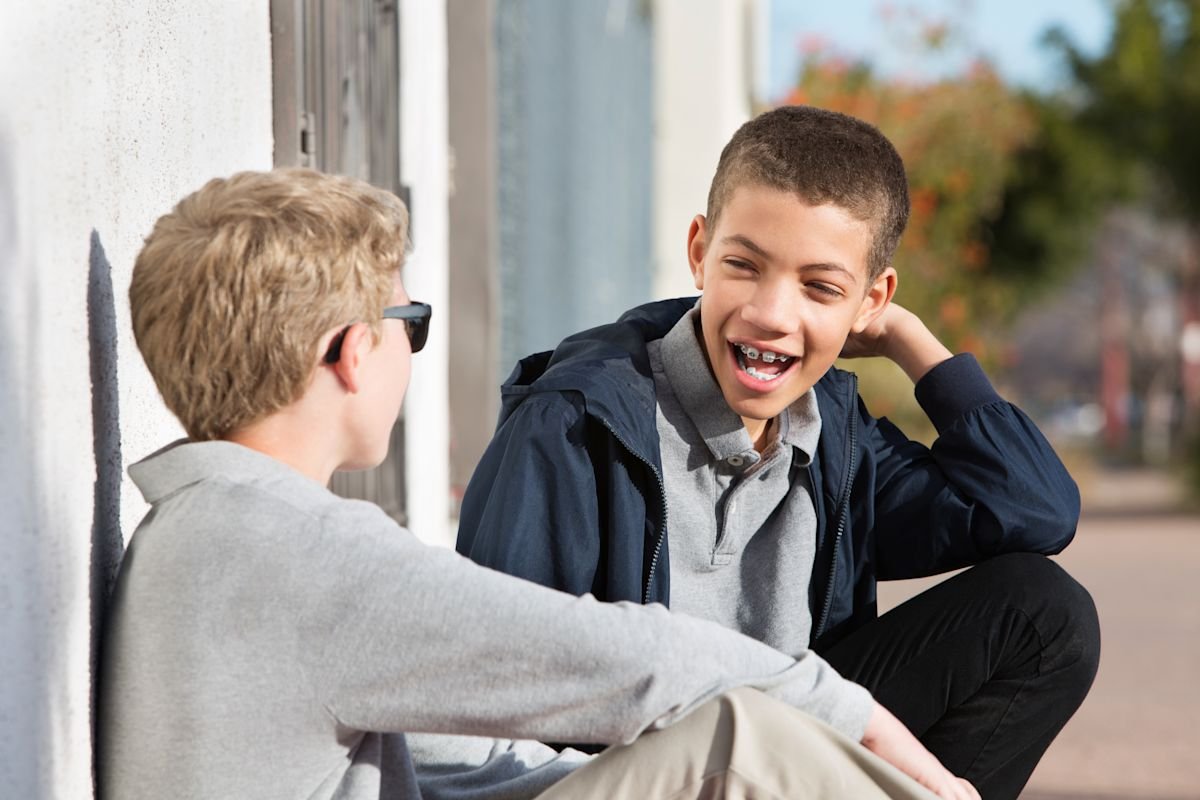
This means if your kid is using words like “6-7” and “chopped” around the house, there’s a good chance they’re using them outside of the house, too — a good sign that they’re part of a community of friends who talk, laugh, and joke together, whether that’s at school or online.
But be sure to keep this info quiet on the creek (aka a secret). After all, we wouldn’t want our kids to know we’re checking up on them.
Best of SheKnows
Sign up for SheKnows’ Newsletter. For the latest news, follow us on Facebook, Twitter, and Instagram.