
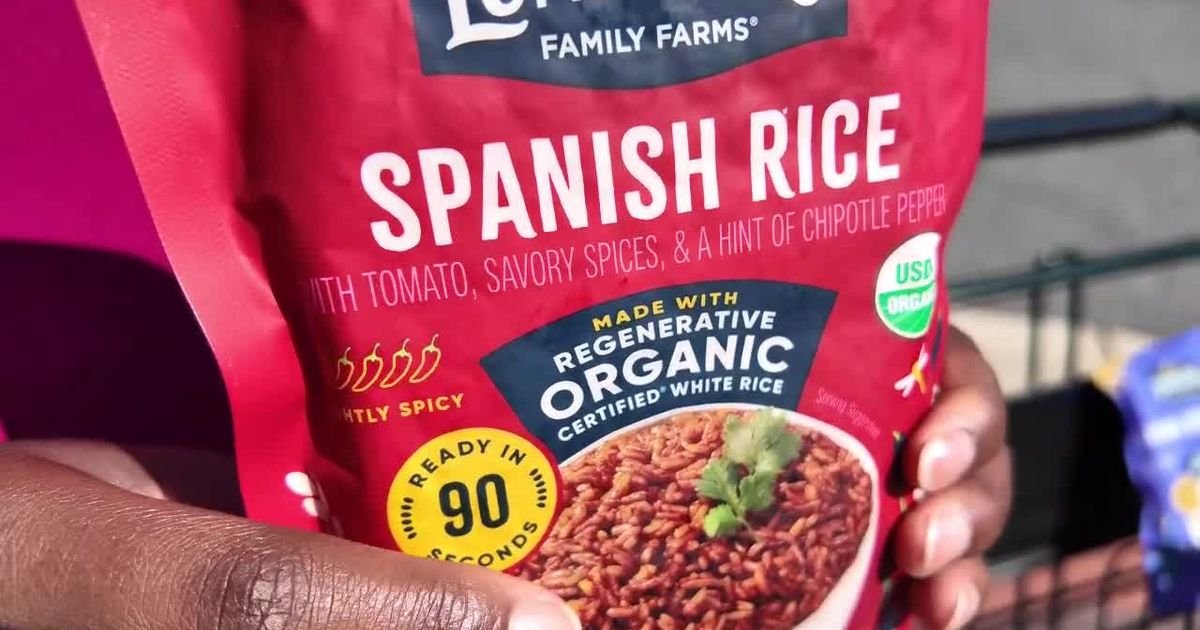
There’s a new word popping up on everything
from cereal and eggs to dairy and meat: “regenerative.”
It may sound like a
guarantee that your food was produced in a way that improves the land, but
Consumer Reports says that’s not necessarily the case—even when the product
comes with a higher price tag.
Farmer Grant Breitkreutz said the rich soil
on his Stoney Creek Farm is evidence that certain farming practices can rebuild
the land rather than deplete it. He said soil on the farm that traditionally
would have been expected to take hundreds or even thousands of years to develop
has been built up significantly over the past 15 years.
The approach is often called regenerative
agriculture, and the term is showing up more frequently in government
discussions and on food packaging from major brands.
However, Consumer Reports
science reporter Kevin Loria says shoppers need to know that “regenerative” on
a food label doesn’t necessarily guarantee anything, because there is no legal
definition or government regulatory standard for the term.
That can make it difficult to separate
meaningful claims from greenwashing. So what should shoppers look for instead?
Consumer Reports says the USDA Organic label
is a good place to start because it is backed by federal standards. Shoppers
can also look for certifications that build on organic standards, including
Regenerative Organic Certified and the Real Organic Project.
Other certifications indicate that
regenerative practices were used to produce food, even though they don’t build
specifically on USDA Organic standards. Those include Demeter Biodynamic,
Certified Regenerative by A Greener World, and the Savory Institute’s Land to
Market seal.
Whenever possible, Consumer Reports also
recommends learning more about who produces your food. Buying directly from a
farm or from a retailer that vets its growers can give you more information
about the farming practices behind a product.
And be cautious about relying on a single
claim such as “no-till.” Consumer Reports points to a USDA analysis that found
about one-third of pesticide use in the U.S. occurs on no-till and minimum-till
corn and soybean crops.
The bottom line: a “regenerative” claim may
sound environmentally friendly, but the word alone doesn’t tell you how the
food was produced. Looking for meaningful certifications—and knowing more about
the farm behind your food—can help you decide which claims are worth paying
for.