
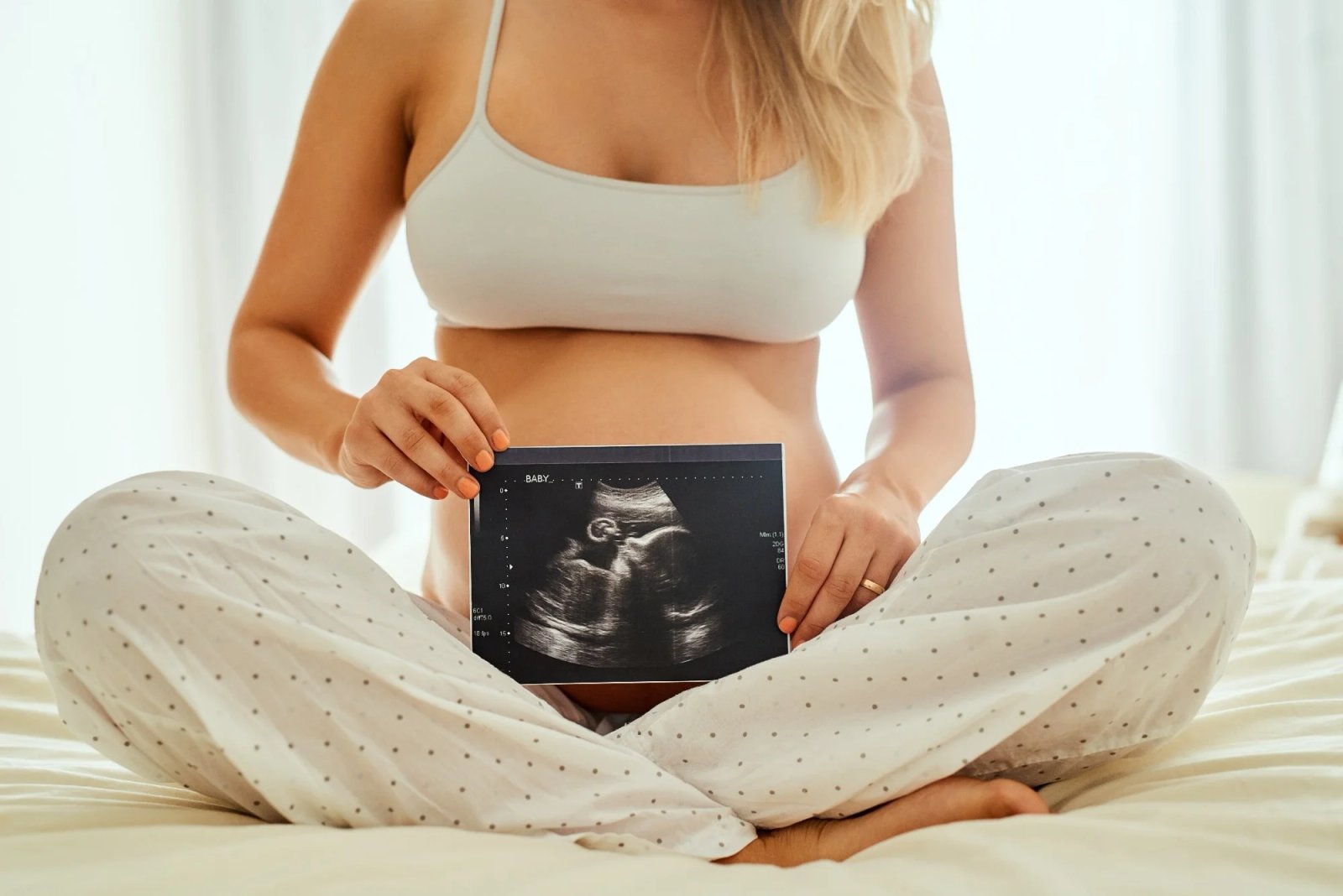
Pregnancy may temporarily speed up the body’s biological clock, but could conceiving again before recovery is complete leave a lasting mark? A new review explores how pregnancy spacing may shape maternal aging over a lifetime.
Study: The postpartum recovery window as a determinant of maternal aging. Image credit: PeopleImages/Shutterstock.com
A recent Trends in Endocrinology & Metabolism review examined evidence linking pregnancy-related changes in biological age, postpartum recovery, and the interpregnancy interval (IPI), proposing that insufficient recovery between pregnancies may contribute to cumulative biological aging and long-term maternal health risks.
The authors introduce the recovery period hypothesis, suggesting that pregnancies occurring before BA has sufficiently recovered could leave residual aging-related changes that accumulate across successive pregnancies. However, this proposed relationship has not yet been conclusively established in long-term human studies.
Biological age dynamics during pregnancy and postpartum
Pregnancy acts as a physiological stressor that is associated with measurable increases in biological age (BA). Multiple studies using various cohorts and analytic methods consistently show a rise in BA throughout gestation, followed by at least partial recovery after childbirth. However, whether pregnancy-related changes eventually resolve completely remains uncertain.
Since most BA biomarkers are developed from nonpregnant populations, it remains unclear whether pregnancy-related BA elevation carries the same long-term health implications as biological aging in other contexts. Pregnancy-associated changes may reflect adaptive physiological remodeling, biological damage, or both. Epigenetic clock analyses demonstrate a progressive increase in BA during pregnancy with at least some normalization postpartum, a pattern also observed across humans and mice, suggesting that these changes may reflect a conserved feature of mammalian biology.
Several factors may influence gestational BA dynamics and postpartum recovery. Higher prepregnancy body mass index (BMI) is associated with elevated BA estimates, while exclusive breastfeeding has been associated with greater postpartum reductions in certain BA measures. Increased number of pregnancies (gravidity) also correlates with accelerated epigenetic aging. However, the strength of these associations varies across cohorts and measurement methods. Most postpartum recovery data are derived from high-income settings, and standardized reference ranges for BA during pregnancy and postpartum are still lacking.
Wearable device data and neuroimaging further suggest that different biological systems recover at varying rates after pregnancy. Wearable-derived cardiovascular aging measures, for instance, appear to normalize more slowly than some DNA methylation-based measures. Reductions in cortical gray matter observed during gestation are only partially reversible postpartum, although whether these changes represent aging-related damage, adaptive brain remodeling, or both remains uncertain. Gestational BA acceleration may also have clinical significance, as one prospective study found that higher first-trimester epigenetic age was associated with increased odds of a composite measure of pregnancy complications, including preeclampsia, gestational diabetes, preterm birth, and small-for-gestational-age infants. However, the study did not establish causality or demonstrate independent predictive associations for each complication.
Maternal complications are further associated with long-term health risks similar to those seen in aging, such as heightened cardiovascular and metabolic disease risk. For example, previous preeclampsia is associated with approximately twice the risk of cardiovascular disease, while gestational diabetes is associated with up to seven times the risk of subsequent type 2 diabetes. Whether pregnancy-related BA acceleration contributes directly to these risks remains unclear.
Mechanisms driving biological age acceleration and recovery in pregnancy
Pregnancy initiates an extensive physiological overhaul, including dynamic immune modulation, increased oxidative stress, greater blood volume and cardiac output, and the formation of the placenta as a key endocrine organ. These adaptations resemble processes associated with biological age acceleration, such as chronic inflammation and oxidative stress, although they also represent normal physiological changes that support pregnancy.
Hormonal shifts are central to this process. Cortisol rises throughout gestation due to placental corticotropin-releasing hormone signaling. Evidence from nonpregnant populations suggests that prolonged glucocorticoid exposure can contribute to BA acceleration through telomere shortening, oxidative damage, and epigenetic modifications, making cortisol a potential contributor to gestational BA changes rather than an established direct cause. Estrogen, which increases dramatically in pregnancy, may provide some protection by stimulating telomerase and supporting mitochondrial function, but its effects are tissue-specific. For example, in breast tissue, cumulative estrogen exposure is linked to accelerated epigenetic aging, underscoring that hormonal benefits are not uniform across organs.
After delivery, higher levels of prolactin and oxytocin, particularly in breastfeeding mothers, may support BA recovery by reducing inflammation and counteracting glucocorticoid activity. However, direct human evidence supporting these proposed mechanisms remains limited. This potentially recovery-promoting hormonal environment is time-limited and associated with breastfeeding, although postpartum BA recovery itself is not dependent on breastfeeding. The authors therefore propose that the interpregnancy interval could influence how much BA recovery occurs before a new gestational cycle begins.
The recovery period hypothesis and cumulative maternal aging
The review proposes that incomplete BA recovery before a subsequent pregnancy may lead to persistent elevations in maternal biological age. Under this recovery period hypothesis, each pregnancy produces a potentially recoverable increase in BA. If sufficient recovery occurs before the next conception, the long-term biological aging burden may be minimal. However, if another pregnancy begins before recovery is complete, residual changes could accumulate with those arising from subsequent pregnancies.
The strongest direct supporting evidence comes from a longitudinal study of 130 women followed for nearly four years postpartum. Women who became pregnant again during follow-up showed disrupted postpartum deceleration in DunedinPACE, a DNA methylation-based measure of aging pace, with directionally consistent findings for telomere length and another epigenetic aging measure, GrimAge2. However, the study did not assess IPI as a continuous exposure or determine whether these changes persist over decades.
Other studies have associated higher parity with accelerated epigenetic aging later in life, although findings vary across populations and measures. The review highlights evidence of a U-shaped relationship between parity and mortality in some cohorts, with lower mortality among women with moderate numbers of births than among those with no births or very high parity. The authors suggest that differences in pregnancy spacing could help explain these patterns, although socioeconomic circumstances, maternal health, and other factors may also influence the associations.
The completeness of postpartum recovery may also depend on factors beyond pregnancy spacing. Higher BMI, breastfeeding practices, psychosocial stress, and sleep deprivation could influence recovery, although direct evidence for the effects of postpartum stress and sleep deprivation on BA recovery remains limited. The authors further propose that maternal age may affect recovery capacity, but this prediction has not been directly tested.
Interpregnancy intervals and long-term maternal health
Interpregnancy interval refers to the time between delivery and the next conception. Existing epidemiological evidence has linked shorter intervals to adverse maternal and infant outcomes. The review cites a systematic review and meta-analysis of 129 studies involving nearly 47 million pregnancies, which found that intervals of 18–23 months were associated with the most favorable perinatal outcomes, while intervals shorter than six months were most consistently associated with adverse outcomes.
The World Health Organization has recommended waiting at least 24 months after a live birth before attempting another pregnancy. However, these recommendations are based on maternal and perinatal health outcomes, not evidence establishing how long complete biological age recovery requires. The minimum IPI necessary for BA normalization remains unknown.
The authors suggest that incomplete BA recovery could provide a potential explanation for associations between pregnancy spacing and long-term maternal health. For example, an observational study involving more than 216,000 women found a J-shaped association between IPI and subsequent cardiovascular disease risk over nearly two decades. However, the study did not establish that biological aging mediated this association, and unmeasured confounding could not be excluded.
The review also acknowledges evidence that complicates the proposed relationship. Research among Tsimane women, a population characterized by high fertility and substantial physical and environmental demands, found limited evidence of cumulative deterioration in several measures of maternal physiological condition despite frequent reproduction. Although these findings did not directly assess biological age, they suggest that the consequences of pregnancy spacing may depend on nutritional resources, social support, environmental conditions, and other population-specific factors.
Limitations and future research directions
Despite growing evidence that pregnancy is associated with measurable BA acceleration and postpartum recovery, the review emphasizes that the long-term consequences remain unresolved. In particular, no study has yet examined IPI as a continuous exposure alongside biological age measurements extending decades beyond the reproductive period.
The authors identify two central predictions requiring direct testing. First, women with shorter IPIs should show persistently elevated BA years after their final pregnancy, even after accounting for the total number of pregnancies. Second, accounting for cumulative periods of insufficient recovery should weaken the observed association between parity and later-life mortality. Neither prediction has yet been conclusively demonstrated.
Further research is needed to establish whether incomplete postpartum recovery produces a permanently elevated biological age or a temporary deficit that eventually resolves. Longitudinal studies tracking women across multiple pregnancies and into later life could help determine how recovery varies with maternal age, BMI, breastfeeding, stress, and other factors.
The authors also highlight the need for pregnancy- and postpartum-specific biological age reference ranges and more precise biomarkers capable of distinguishing genuine aging-related damage from adaptive physiological changes. Such advances could eventually help researchers assess whether interventions targeting nutrition, stress, breastfeeding support, or pregnancy spacing improve biological age recovery. However, these approaches have not yet been shown to prevent long-term biological aging.
Overall, the review reframes pregnancy spacing as a potential determinant of maternal biological aging rather than solely a factor influencing pregnancy outcomes. While the evidence supports gestational BA acceleration and at least partial postpartum recovery, the possibility that insufficient recovery between pregnancies causes lasting biological aging remains a hypothesis requiring further investigation.