
A review of recent clinical trials reveals encouraging signs for blood vessel function and exercise performance, but limited evidence and mixed results leave questions about the cardiovascular benefits of aged garlic extract.
Study: Cardiovascular and Exercise-Related Effects of Aged Garlic Extract: A Systematic Review with Meta-Analysis of Blood Pressure Outcomes. Image credit: Ys0467/Shutterstock.com
Aged garlic extract (AGE) is one of many garlic preparations marketed for cardiovascular health. A recent paper published online in the journal Nutrients describes mixed results from a review covering the cardiovascular and exercise-related effects of AGE.
What makes aged garlic extract different from regular garlic?
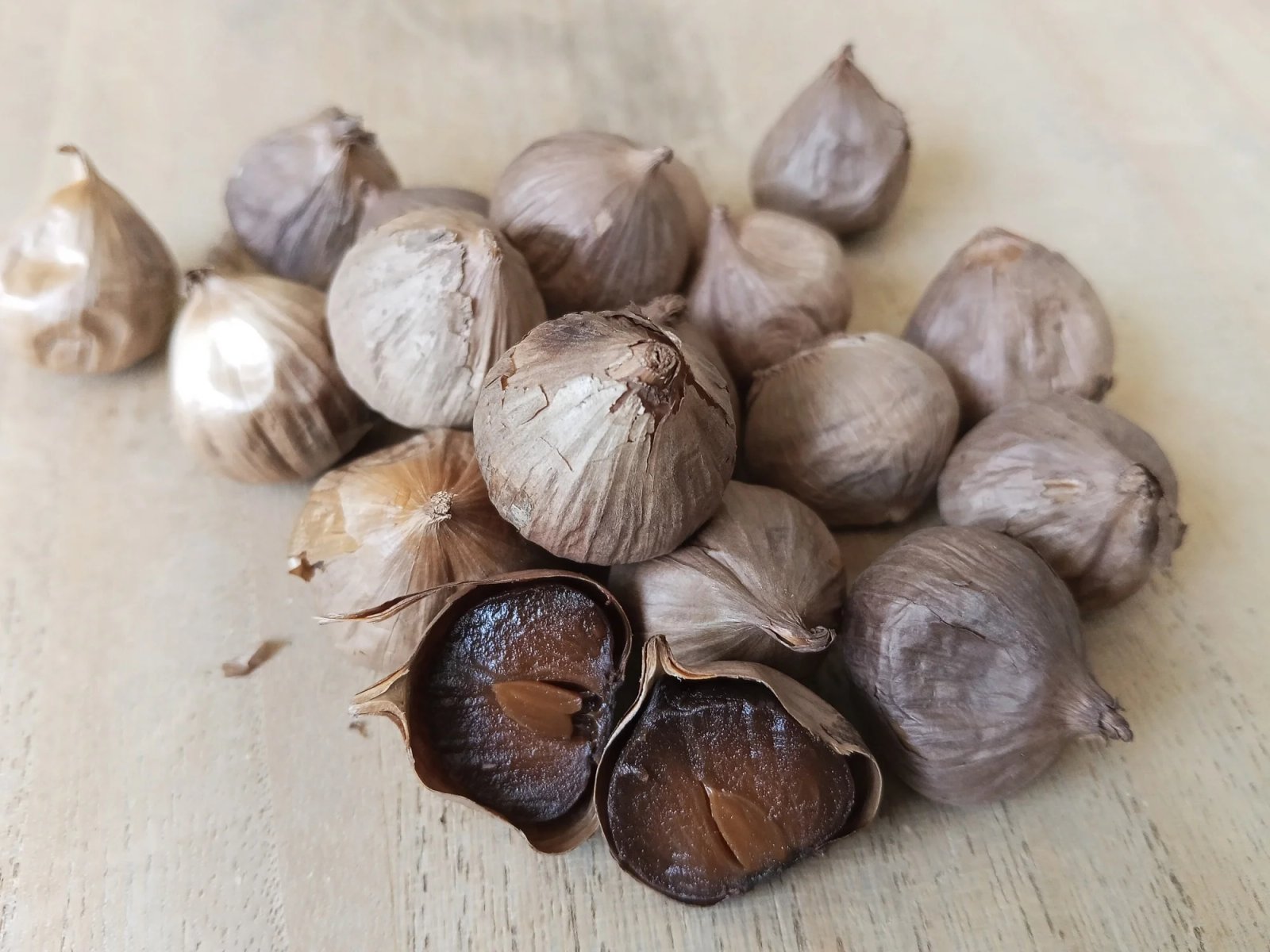
Garlic preparations include fresh garlic, garlic powder, garlic oil, black garlic, and AGE, which are all chemically distinct. AGE is made by maturing garlic in an aqueous-ethanol medium for several months. This converts unstable organosulfur precursors into stable, water-soluble compounds.
Among the most characterized components is S-allylcysteine (SAC), typically used to assess AGE quality. Others include S-1-propenylcysteine and S-allylmercaptocysteine. However, no single compound fully represents the chemical composition or biological activity of AGE, which varies with the extraction process and maturation period.
The authors propose that AGE acts through mechanisms such as improved endothelial function, reduced platelet reactivity, antioxidant effects, and anti-inflammatory signaling, with cell studies suggesting AMPK activation and TLR4/NF-κB modulation.
Most mechanistic evidence comes from in vitro and animal work. The authors caution that it cannot be extrapolated directly to human outcomes. They also note that reactive oxygen and nitrogen species act as signaling molecules in exercise adaptation, which implies that observed “antioxidant” activity is not automatically beneficial for athletes.
Interest in endurance sport centers on oxygen uptake, tolerance to higher intensity and recovery.
Review investigates blood pressure, vascular health and exercise performance
The review addressed a deliberately narrow question: randomized controlled trials of whole AGE in adults, published between 1 January 2020 and 15 September 2026, which addressed at least one cardiovascular, redox, performance or exercise outcome. After screening, the authors included 10 publications describing 7 independent studies in their review.
Blood pressure was pooled using random-effects models with restricted maximum likelihood, with sensitivity checks for very few trials. The review was not prospectively registered, and the authors cite this as a reason for cautious interpretation of outcome selection.
Aged garlic extract shows no significant blood pressure reduction
Three parallel-group trials including 109 AGE participants versus 114 placebo participants were pooled to determine between-group differences in blood pressure. The authors found no significant differences for either systolic or diastolic blood pressure. On average, systolic blood pressure was 2.01 mmHg lower with AGE than with placebo, while diastolic blood pressure differed by just 0.04 mmHg. Neither difference was statistically significant, leaving the overall effect uncertain.
The primary analysis compared blood pressure at the end of treatment because baseline measurements were not consistently available across trials. Sensitivity analyses supported the overall finding of no statistically significant difference between groups.
The authors performed an exploratory change-from-baseline analysis, using assumed correlations. This also produced inconclusive findings.
Several trials reported reductions in systolic blood pressure within the AGE group. However, placebo groups also showed changes in several cases. Therefore, the authors note that within-group changes from baseline are not evidence of benefit.
They also note the agreement between their findings and those of a 2026 meta-analysis of ten trials and 625 participants, which showed non-significant benefits for systolic and diastolic blood pressure. However, a separate 2025 review reported significant reductions in systolic blood pressure and LDL cholesterol. The authors caution that differences in the studies included and the garlic preparations examined limit direct comparisons between reviews.
Garlic extract shows promise for blood vessel function
The authors performed a narrative synthesis for these outcomes in view of the variety of methods and measures used, and different endpoints, precluding a pooled analysis. Most trials used a dose of 2,400 mg/day for 3 to 12 months.
Selected markers of vascular function, microcirculation and arterial stiffness, and markers linked to atherosclerosis and inflammation showed favorable findings in individual trials. For instance, coronary calcification differed between groups in annual progression. Calcification progressed by 20% over one year in the AGE group, compared with 28% in the placebo group. After statistical adjustment, AGE recipients had higher odds of belonging to the group with the lowest calcification progression.
For plaque, total plaque volume did not show any significant difference, but one trial involving patients with type 2 diabetes found a more favorable change in low-attenuation plaque volume with AGE than with placebo. Arterial stiffness comparisons were based on the cardio-ankle vascular index (CAVI), which fell by 0.71 in the AGE group vs 0.13 for placebo, though that trial had high attrition and was adjudged to be at high risk of bias.
Microvascular functional markers included post-occlusive reactive hyperemia and acetylcholine-induced conductance, both of which favored AGE, by about 21%. A single trial in women at low cardiovascular risk showed a reduction in the inflammatory marker interleukin-6 (IL-6) 6. In a separate trial, a single acute dose of 2400 mg was associated with improved tissue oxygen saturation recovery following the release of a temporary vascular occlusion, rather than after exercise.
The review found no between-group differences in left ventricular mass or pulse wave velocity.
Despite these encouraging findings, the trials examined only surrogate markers of cardiovascular health. The review did not show evidence of a reduction in the risk of heart attacks, strokes or cardiovascular deaths. The authors state that confirming clinical benefit would require long-term trials with major adverse cardiovascular events as endpoints.
Garlic extract improves exercise power but not VO2max
In this part of the review, the evidence came mostly from a single 2025 trial, where 75 recreationally active adults aged 40–65 years completed a 12-week study of AGE or placebo. Two sequentially recruited cohorts received AGE at either 1.2 g/day or 2.4 g/day, but the doses were not directly compared. Exercise-performance analyses included 70 participants. The results were mixed, with no significant difference in maximal oxygen uptake (VO2max), although the estimated difference favored AGE by 133 mL/min.
However, several other exercise measures improved compared with placebo. Peak power, lactate-threshold power, and lactate-threshold oxygen uptake increased significantly by 10.2 W, 11.8 W, and 174 mL/min, respectively, compared with placebo. Aerobic-threshold power also went up by 9.1 W.
Participants receiving AGE reported recovering approximately 0.6 days sooner than those receiving placebo, although this finding was borderline statistically significant and relied on self-assessment. Muscle soreness did not differ significantly. The authors also caution that improvements measured during cycle-ergometer testing may not translate into better performance in running or competitive events.
The authors treated two older studies as supplementary only. One was a conference abstract that suggested a reduction in urinary 8-OHdG, a marker of oxidative DNA damage, during regular physical activity in the AGE group compared with the control group.
The other was a study of six untrained men with mixed results in selected knee flexor parameters (including peak torque, work, and power) after ten days of AGE administration. Fatigue did not improve, and the single-arm design precluded conclusions about AGE superiority over another intervention.
Overall, the authors state that evidence on exercise-related oxidative stress was insufficient for reliable synthesis.
Small trials and varied populations weaken the evidence
The authors stated that there were some concerns for bias for most outcomes assessed. This was mainly because of incomplete randomization reporting, missing data, or selective reporting. One study (Hamal, 2020) was rated as high risk.
The authors also listed other limitations. The number of independent trials was small. The sample populations differed markedly, ranging from healthy individuals to patients with diabetes, with variations in dosage, formulation, and intervention duration.
Publication bias was not assessed due to the very low number of studies (below 10). Baseline blood-pressure data were incomplete, limiting the ability to account for differences between groups at the start of treatment. The exercise testing involved only a cycle-ergometer test that is not necessarily equivalent to running or competition. Exercise recovery data were self-reported. The review included only trials published between 2020 and 2026, and it was not prospectively registered.
Cardiovascular and exercise benefits remain promising but unconfirmed
In recent randomized trials, the use of AGE was not associated with statistically significant differences in systolic or diastolic blood pressure compared with placebo, though wide confidence intervals suggest that the effect remains uncertain. Some selected surrogate markers of vascular function and inflammation showed favorable changes with AGE.
Certain exercise measures improved, but these findings came mostly from one trial and do not establish a definitive benefit for athletic performance. The authors call for well-designed standardized trials to evaluate cardiovascular and exercise-related outcomes with AGE supplementation.
Journal reference:
- Błoch, K., Kochanowicz, A., Stankiewicz, B., et al. (2026). Cardiovascular and exercise-related effects of aged garlic extract: a systematic review with meta-analysis of blood pressure outcomes. Nutrients. DOI: https://doi.org/10.3390/nu18223862. https://www.mdpi.com/2072-6643/18/22/3862