
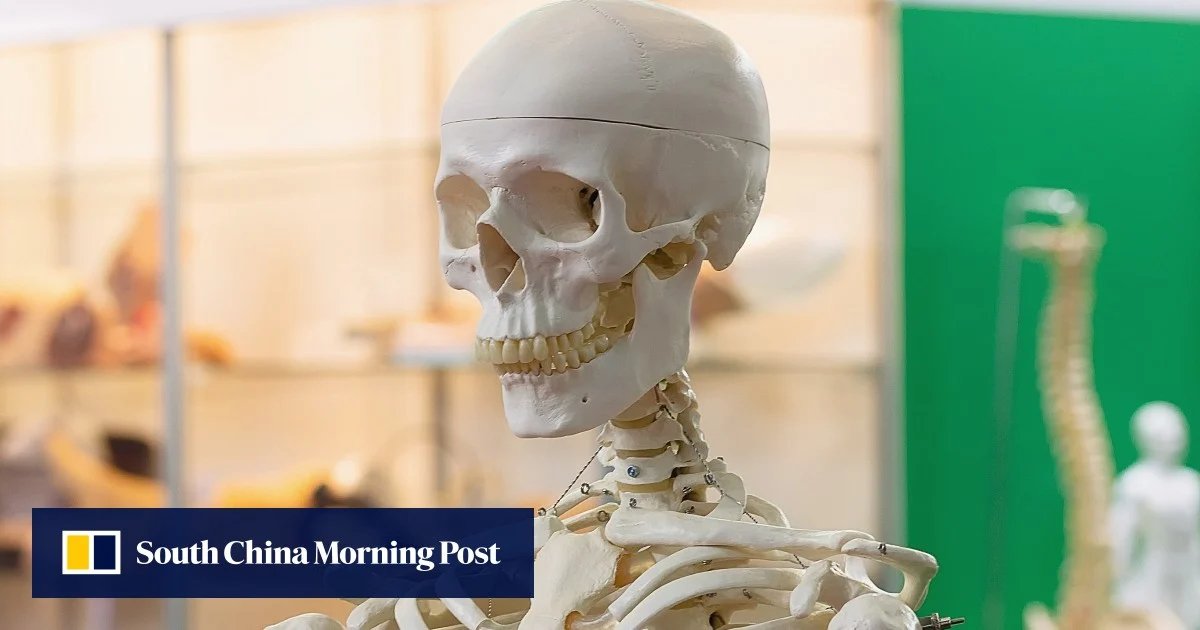
Staying out of the hospital is one of the quiet secrets of “super-agers”, older adults whose memories remain as sharp as people decades younger. While strong bones protect us from fall-related fractures that trigger age-accelerating hospital stays, their connection to brain health runs much deeper than mere physical protection.
Charcot is credited with describing the brain’s vascular system and is, as a result, sometimes referred to as the founder of neurology. But colleagues dismissed his theory.
His findings were an early clue that the skeleton was far more than inert scaffolding on which other organs of the body were arranged. Yet it was only in the early 2000s that this hard, white tissue was recast entirely: as an endocrine organ that produces its own hormones.
Dr Gerard Karsenty, professor of genetics and development, and of medicine and biomedical engineering, at Columbia University in New York City, later developed a much better understanding of the hormone that bones produce – osteocalcin – and the part it plays in physiological functions.