
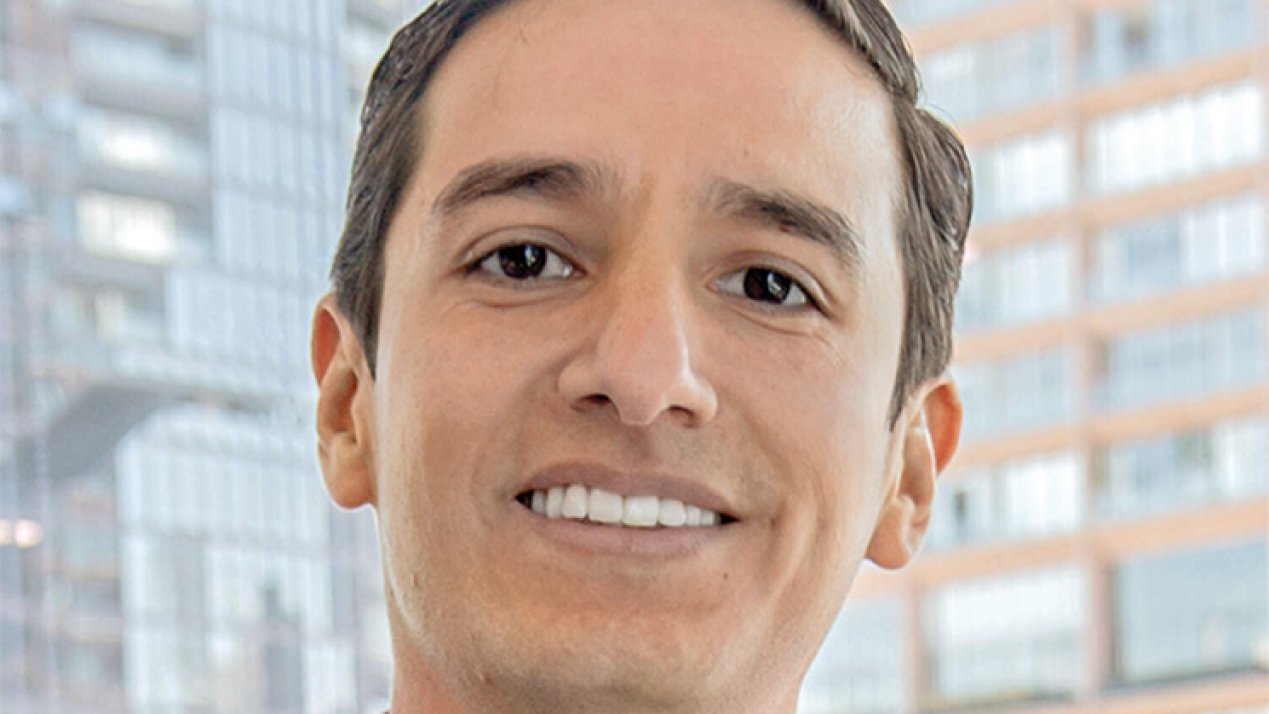
Q: Grupo Hospitales Puerta de Hierro has expanded from a single facility into a regional network across multiple states. What core strategic priorities lead to this expansion?
A: Our organization originated in 2004 from a vision shared by a group of physicians led by Board Chairman Ricardo Acosta. What began as an ophthalmology clinic and ambulatory center in Guadalajara quickly demonstrated strong market demand. By 2006, we launched our first high-complexity specialty hospital, designed from the ground up to serve as a leading tertiary care institution equipped with advanced imaging, hybrid operating rooms, and state-of-the-art surgical navigation systems.
Following our initial growth in Guadalajara, we opened our South campus in 2009, followed by facilities in Tepic, Colima, and most recently, Tijuana. Unlike networks that focus on outpatient clinics or specialized surgical centers, our core strategy is to build comprehensive, high-complexity medical facilities in every city we enter. We concentrate heavily on five core specialties: cardiology, neurology, orthopedics, organ transplantation, and ophthalmology. As we enter new markets like Tijuana, we replicate this proven framework, delivering advanced medical technology, specialized surgical capabilities, and complex treatment options directly to the region.
Q: What medical specialties will be a priority for the new facility in Tijuana?
A: Our primary focus is serving local policyholders through national insurance providers by offering high-complexity specialized care that is underserved in the region. While Tijuana is widely recognized for bariatric care, plastic surgery, and general medical tourism, our goal is to differentiate Grupo Hospitales Puerta de Hierro by delivering advanced tertiary care in cardiology, neurosurgery, orthopedics, and complex transplants.
While our facilities are fully equipped to handle general surgical procedures and medical tourism demand, our core value proposition remains high-complexity care. In the medium term, we also anticipate serving cross-border and international insurance markets by establishing direct partnerships, mirroring models allowed in border regions, while remaining grounded in high-standard, specialized medicine.
Q: How does Grupo Hospitales Puerta de Hierro establish and scale complex surgical and transplant programs across its hospitals?
A: Developing high-complexity medical programs requires multi-year preparation, often taking four to five years to fully establish. These initiatives demand comprehensive training for medical staff, specialized nursing teams, and intensive care personnel.
Our flagship Andares facility in Guadalajara recently performed its second successful double-lung transplant, standing as one of the few centers in the region to execute such procedures across both the public and private sectors. Our transplant capabilities at Andares also extend to heart, liver, kidney, and cornea procedures. At Hospital Puerta de Hierro Sur, we have established ourselves as the leading private institution in kidney transplants nationwide, according to records from the National Transplant Center (CENATRA). We have held this top position for four consecutive years, surpassing 100 annual procedures during periods of high demand.We also have a specialized Transplant Unit exclusively dedicated to our patients’ stay, ensuring the highest standards of safety, control, and care throughout their recovery process.
Q: When evaluating expansion into new geographical markets, what key criteria determine whether a city is a viable candidate for a new Hospital Puerta de Hierrol?
A: Our site selection process relies on thorough demographic, epidemiological, and economic assessments. We analyze local morbidity trends, population growth projections, regional purchasing power, and the overall maturity of the existing healthcare supply.
Crucially, we evaluate connectivity and regional accessibility. In Tijuana, for example, the city’s strategic position as a cross-border healthcare hub, combined with high demand for specialized care, made it a natural choice for our expansion outside of western Mexico. We seek markets where our focused expertise in tertiary specialties can meaningfully elevate the local standard of care.
Q: Grupo Hospitales Puerta de Hierro established a 10-year strategic partnership with Siemens Healthineers. How do long-term technology alliances impact your operational efficiency and expansion roadmap?
A: The provision of high-complexity medicine requires substantial, continuous capital investment. Because global medical technology evolves at a rapid pace, maintaining modern diagnostic and therapeutic capabilities demands a structured, long-term approach rather than ad-hoc equipment purchases.
Through our 10-year technology roadmap with Siemens Healthineers, we established a structured replacement cycle for diagnostic imaging and advanced equipment across all facilities. This provides financial predictability for the group while guaranteeing that our physicians and patients consistently have access to top-tier technology. For example, during a recent equipment cycle at our Andares unit, this partnership enabled us to deploy advanced, next-generation X-ray technology ahead of standard market availability in the region.
Furthermore, this alliance incorporates continuous clinical education and staff training. Every quarter, executive representatives from both organizations meet through a joint governance board to review operational performance and identify technology optimization projects. We apply similar long-term strategic integration models with other global technology leaders, including Roche Diagnostics in our laboratory operations.
Q: How do you balance financial sustainability with continuous investment in advanced medical technology?
A: Balancing profitability with clinical innovation requires strict operational discipline. Medical inflation globally outpaces general inflation, placing cost pressures on payers, providers, and patients alike. Because we cannot simply pass these rising costs onto patients or insurers, our focus centers on administrative optimization and operational efficiency.
We streamline internal expenditure and administrative overhead without impacting clinical headcount or patient care. By centralizing procurement and standardizing clinical pathways, we achieve economies of scale that lower unit costs for high-volume procedures. This efficiency allows us to absorb inflationary pressures, offer predictable pricing to insurance partners, and maintain the capital necessary to reinvest in medical technology.
Q: Given the industry-wide shortage of specialized healthcare personnel, what strategies does the group employ to attract, train, and retain top medical and nursing talent?
A: Specialized staff, particularly highly trained nurses, represent the core of high-complexity healthcare delivery. To address talent shortages and maintain rigorous care standards, we established our own dedicated training center, the Simulator Training Center (CECASI), located at our South Guadalajara hospital.
All incoming nursing staff complete a mandatory three-month internal training program prior to patient placement. CECASI features advanced clinical simulation labs where personnel practice intensive care scenarios, stroke responses, and cardiac emergencies on high-fidelity mannequins. The center is certified by the American Heart Association (AHA) to deliver Advanced Cardiovascular Life Support (ACLS) and Basic Life Support (BLS) certifications.
For administrative and management staff, we partner with top academic institutions like Tecnológico de Monterrey and IPADE to develop internal leadership development tracks. By investing heavily in internal career progression and continuous education, we build a sustainable talent pipeline across all operational levels.
Q: Looking ahead, what key milestones will define Grupo Hospitales Puerta de Hierro’s growth and market positioning?
A: Our primary focus over the next 24 to 36 months is the execution and operational integration of our new hospital in Tijuana, alongside the continued maturation of our strategic technology alliances. Beyond geographic expansion, we are refining our delivery models in collaboration with major health insurers. By standardizing high-complexity procedures, such as kidney transplants, into predictable, bundled-care frameworks, we enable payers to direct complex cases to our facilities from across the country cost-effectively.
As we look toward our long-term strategic vision through 2035, Grupo Hospitales Puerta de Hierro will continue to expand its footprint selectively through greenfield developments, delivering clinical excellence, patient safety, and high-value tertiary care across Mexico.