
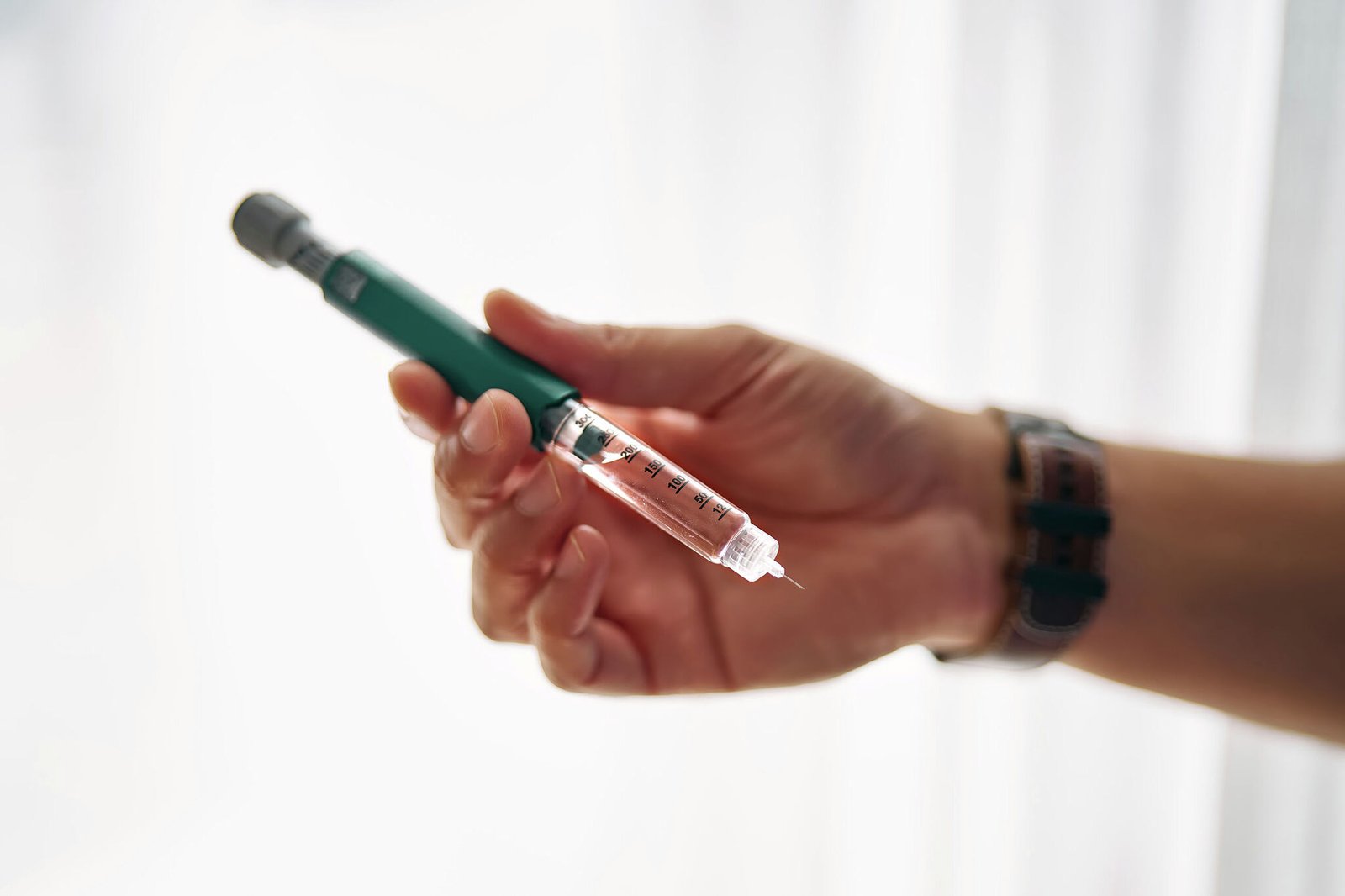
A nationwide recall of a compounded GLP-1 drug was initiated last month following sterility concerns, drawing recent national attention.
Apothecary Pharma LLC initiated a voluntary recall of 22 vials of tirzepatide, the active ingredient in the GLP-1 medications Zepbound and Mounjaro, citing a “lack of assurance of sterility.”
The recall was classified as Class II on Oct. 8, meaning the compounded medication has the potential to cause adverse health effects.
As of 2026, roughly 11% of U.S. adults take GLP-1s for weight-loss purposes, according to data from the Gallup National Health and Well-Being Index. Approximately 1 in 5 people use compounded or custom-mixed versions of the medication, the index found.
Jamie Almandoz, a professor of internal medicine and the medical director of the Weight Wellness Program at UT Southwestern Medical Center, said when it comes to these compounded medications, the consumer wants confidence that they know what’s in the vial, how much is in there and whether or not it’s sterile.
“It became normalized that people would then get GLP-1-based therapies through compounding pharmacies or online platforms,” Almandoz said. These medications are often seen as cheaper, generic-brand versions, but there are no approved generic-brand versions for tirzepatide and semaglutide, he said.
Almandoz said the use of compounded medications is complicated by the fact they don’t go through the same FDA review process as approved products.
The federal government allows compounding pharmacies to sell copies of drugs when the medications face supply-chain bottlenecks and are in short supply. But compounded drugs, like tirzepatide, do not undergo the same FDA safety and quality reviews before hitting the market.
A lack of assurance of sterility was the main driver for sterile project recalls in the U.S. between 2004 and 2025. These types of recalls are often the result of failures during the pharmaceutical production process, meaning consumers cannot be guaranteed the product is free from microorganisms.
To ensure patients are using GLP-1 medications properly, Almandoz said it is important they contact a physician to set up a personalized treatment plan based on their individual goals.
Patients concerned about their medication should check vial lot numbers against the FDA recall notice or contact their physician directly.
The lot numbers of the affected vials and their beyond-use dates are as follows:
Niamh Ordner is a science reporting fellow at The Dallas Morning News. Her fellowship is supported by the University of Texas at Dallas. The News makes all editorial decisions.