
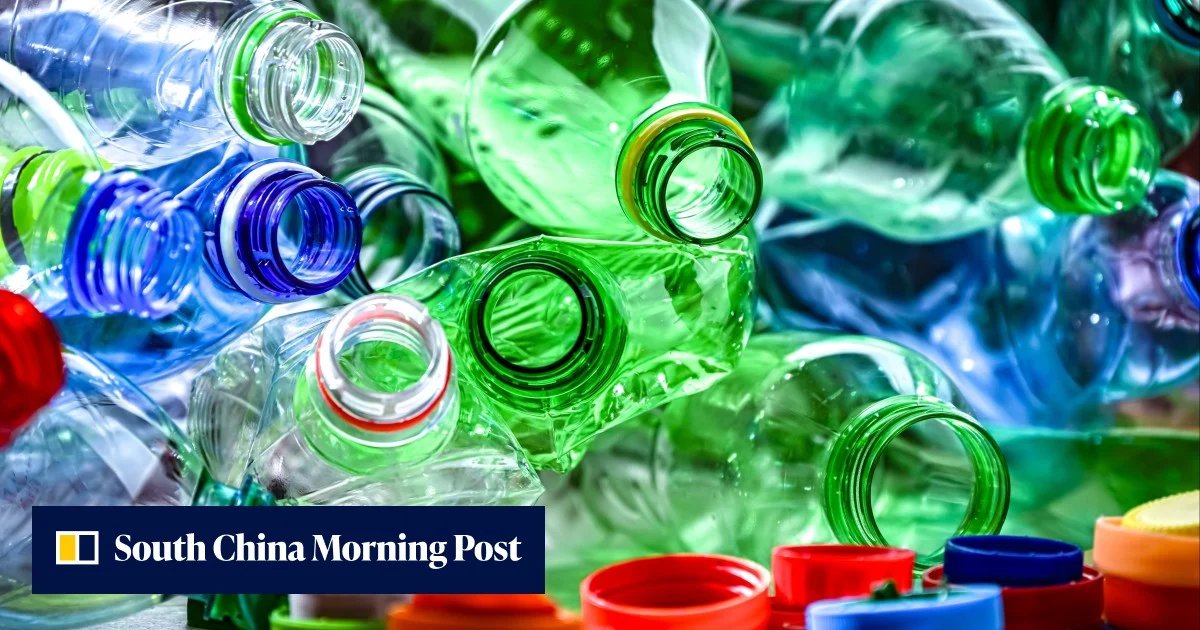
Plain old water could be responsible for making plastics harmful to people, according to a new study that portends significant consequences for human health.
The study, published in the journal Nature, found chemical reactions between water and six types of fossil fuel-based plastic-created particles that damaged red blood cells and proteins in laboratory tests.
As plastic in the body breaks down into smaller and smaller bits – known as microplastics and nanoplastics – the potential danger increases, says study co-author Wei Min, a Peking University graduate who is now a professor of chemistry and biomedical engineering at Columbia University in New York.