
Hugh Adams from Brain Tumour Research said it remains one of the most underfunded areas of cancer research.
There are around 150 different types of brain tumour ranging from slow-growing to aggressive cancers, each of which can respond differently to treatment.
The charity said only a third with glioblastoma survive beyond a year, and just 4% for five years or more.
“Brain tumours, sadly, are the biggest cancer killer of children and adults under the age of 40, and we need to invest in research to get closer to cures,” he said.
“Now, historically, that research from central government, from the devolved nations and governments, has been poor. It’s been less than 1%.
“It is starting to increase, but it needs to be greater.”
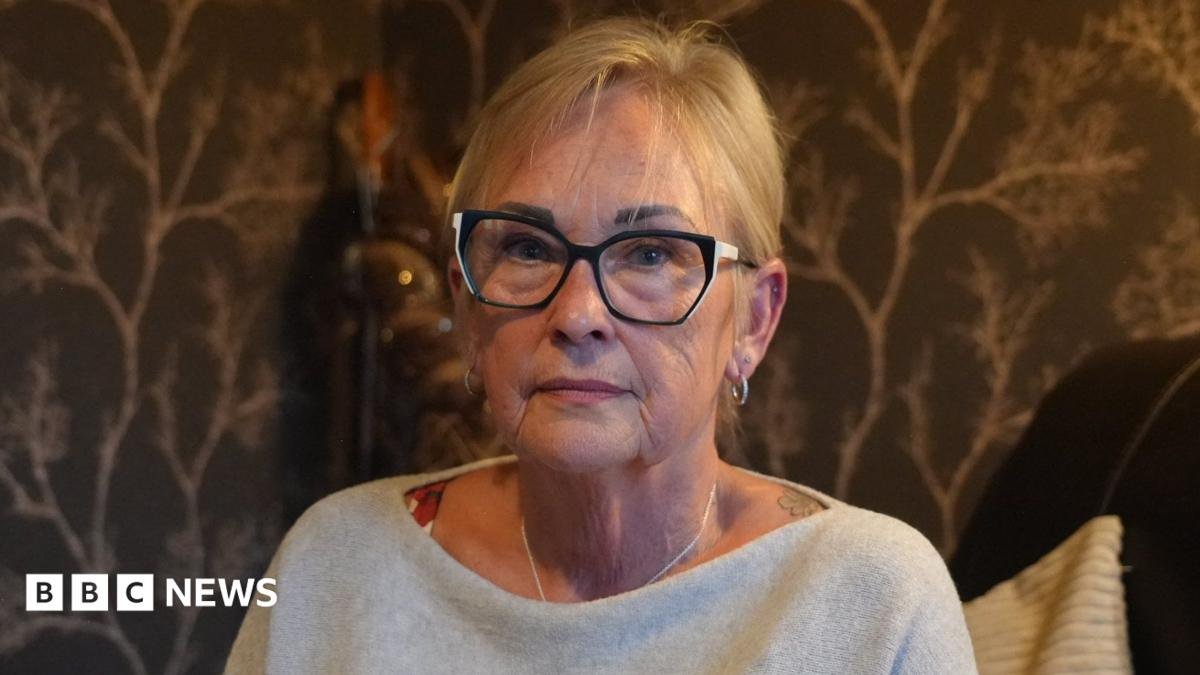
He described Iola’s family story as “highly unusual”.
“I’ve worked in this area for a long time and I’ve not heard of three members of one family, so tragically, being affected by the same tumour type,” he added.
“We’re not aware of any links based on hereditary makeup.
“So, this is something that’s very, very unusual, and perhaps we just say it’s just terrible, terrible luck for Iola and her family.”
Iola urged the Welsh government to put more money into support and research on this “horrible, horrible illness”.
A Welsh government spokesperson said: “We are sorry to hear of Iola’s loss, and we recognise how much this matters to everyone whose life has been affected by cancer.
“We are developing a National Cancer Strategy for Wales to transform the way the health service prevents, diagnoses and treats this set of diseases – including brain cancer.
“The 10-year strategy will set out an ambitious future for cancer care in Wales and give the NHS the clarity it needs to focus on this set of conditions and to deliver better services for the people of Wales.”
They said that since 2015, more than 200 patients in Wales have been recruited in nearly 20 brain tumour research studies.