
The government says it is working with employers to improve awareness of the condition.
More than 6,000 women were interviewed for the inquiry and 94% said employers lacked a good understanding of endometriosis, and half received no workplace adjustments.
Of the 250 employers surveyed, 72% said their organisation gives no training or guidance on women’s health.
But Matthew Percival, the Confederation of British Industry’s future of work and skills director, says businesses are “increasingly aware of women’s health issues”.
Firms are keen to explore how they can support women “without their careers being held back”, in a “wider shift” towards helping improve health and wellbeing in the workplace, he adds.
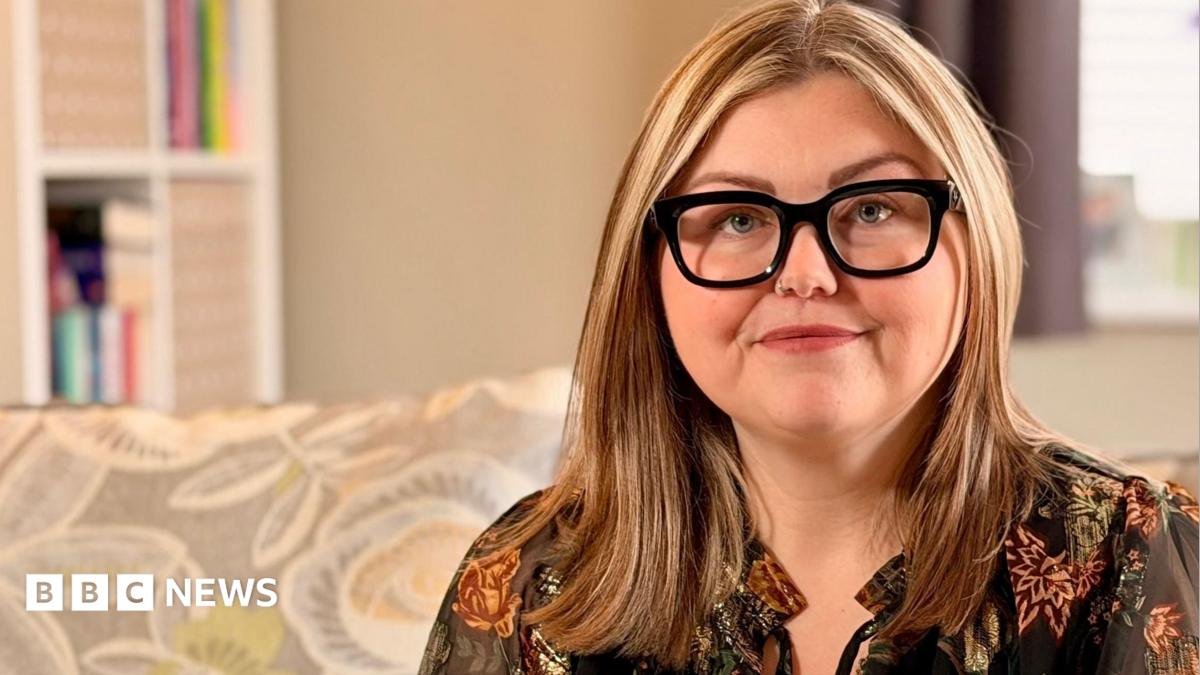
Hayley, Carla and Faye all say they hope employers can show more understanding of endometriosis in the future.
They want women to be believed, treated with dignity and supported to remain in work.
“Behind every absence, every appointment and every person who struggles at work, there may be a much bigger story than they realise,” Hayley says.
Hayley hopes she will be able to return to the classroom one day, but at the moment she knows it is not possible.
“Endometriosis has taken so much from me. I don’t want to be in this position. I loved my job and I worked really hard. To be told at 40 years old that I’m not fit for work, I’m now left wondering, is that it for my working life?
“I’m still 25 years away from retirement age. Am I going to be able to ever work again?”
Additional reporting by Nicola Haseler
Do you have a story suggestion for Beds, Herts or Bucks? Contact us below.