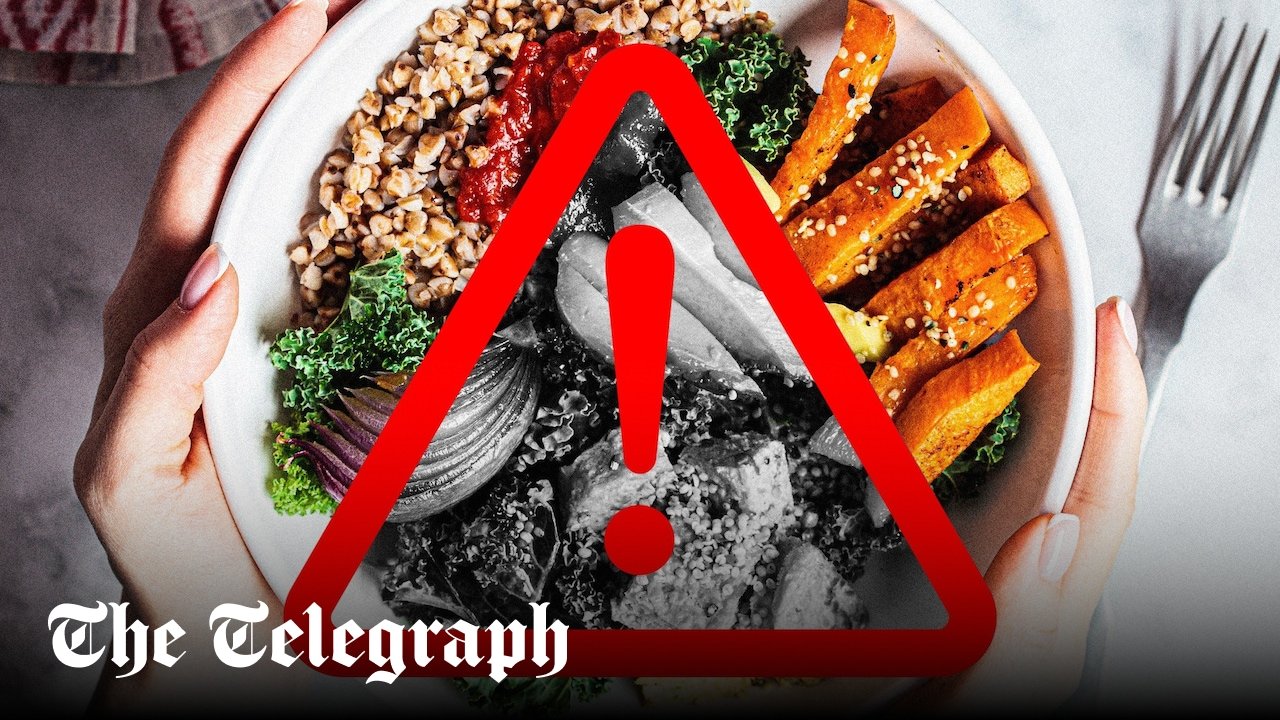
Here are the most common nutrition pitfalls of plant-based diets – and the ways to avoid them.
1. It can leave your brain running on empty
Two years after going vegan, Kim Jakobsen, 57, a former dental services manager, developed chronic fatigue, daily headaches, dizziness and balance issues. Blood tests revealed a vitamin B12 deficiency. Despite trying supplements, she now relies on regular B12 injections to control her symptoms. “I never imagined something as simple as changing my diet could have such an impact,” she says.
“Vitamin B12 is the big one because you don’t get it from plants,” says Dr Ruxton. “It’s found in foods such as meat, dairy or nutritional yeast.”
B12 is also essential for healthy nerves and brain function. Low levels can cause fatigue, numbness, memory problems and cognitive decline. “By the time symptoms appear, you’ve often quite a way down the road,” says Ruxton.
While a palm-sized portion of meat easily provides a day’s vitamin B12, vegans need fortified foods, such as cereals and plant milks, or a supplement to meet their quota.
Cutting out fish can also leave you short of DHA, an omega-3 fatty acid vital for memory and cognition. Symptoms can include poor focus and depression.
How to fix it
Anyone following a vegan diet should consider a vitamin B12 supplement from the outset, advises Dr Ruxton. “Other nutrients worth paying attention to include omega-3, iodine, zinc, iron and vitamin D. If you don’t eat fish, a daily microalgae-based supplement, providing 250-500mg of EPA [another essential omega-3 fatty acid] and DHA, can help cover omega-3 needs.”
Fortified foods are an easy way to fill nutritional gaps. “Two 200ml servings of fortified plant milk can cover your vitamin B12 needs – just check the label because brands vary,” says Hazel Clarke, a dietitian specialising in plant-based diets.
To boost your omega-3, eat one to two tablespoons of chia seeds daily, snack on walnuts, use rapeseed or linseed oil and include soya foods, such as tofu, regularly.
2. Lack of iron can lead to anaemia
Feeling tired and lacklustre? A plant-based diet may increase your risk of iron deficiency which can lead to anaemia.
“Research consistently shows vegetarians and vegans have lower iron stores than omnivores,” says public health dietitian Dr Emma Derbyshire. “It’s particularly common in women of reproductive age.”
Although plant foods such as wholegrains, nuts and seeds contain plenty of iron, it’s the non-haem form that’s less easily absorbed than haem iron in meat and fish. “You need to eat more of foods such wholegrains and spinach and kale to absorb the same amount of iron,” says Dr Derbyshire.
Symptoms include fatigue, poor concentration and hair loss. If you develop anaemia, you may experience breathlessness, dizziness and heart palpitations.
How to fix it
Eat regular servings of wholegrains, beans, chickpeas, tofu and iron-fortified cereals, says Dr Derbyshire: “Pair them with vitamin C-rich foods, such as peppers and citrus fruits to enhance iron absorption. Avoid drinking tea or coffee for an hour after meals as tannins interfere with iron uptake.”