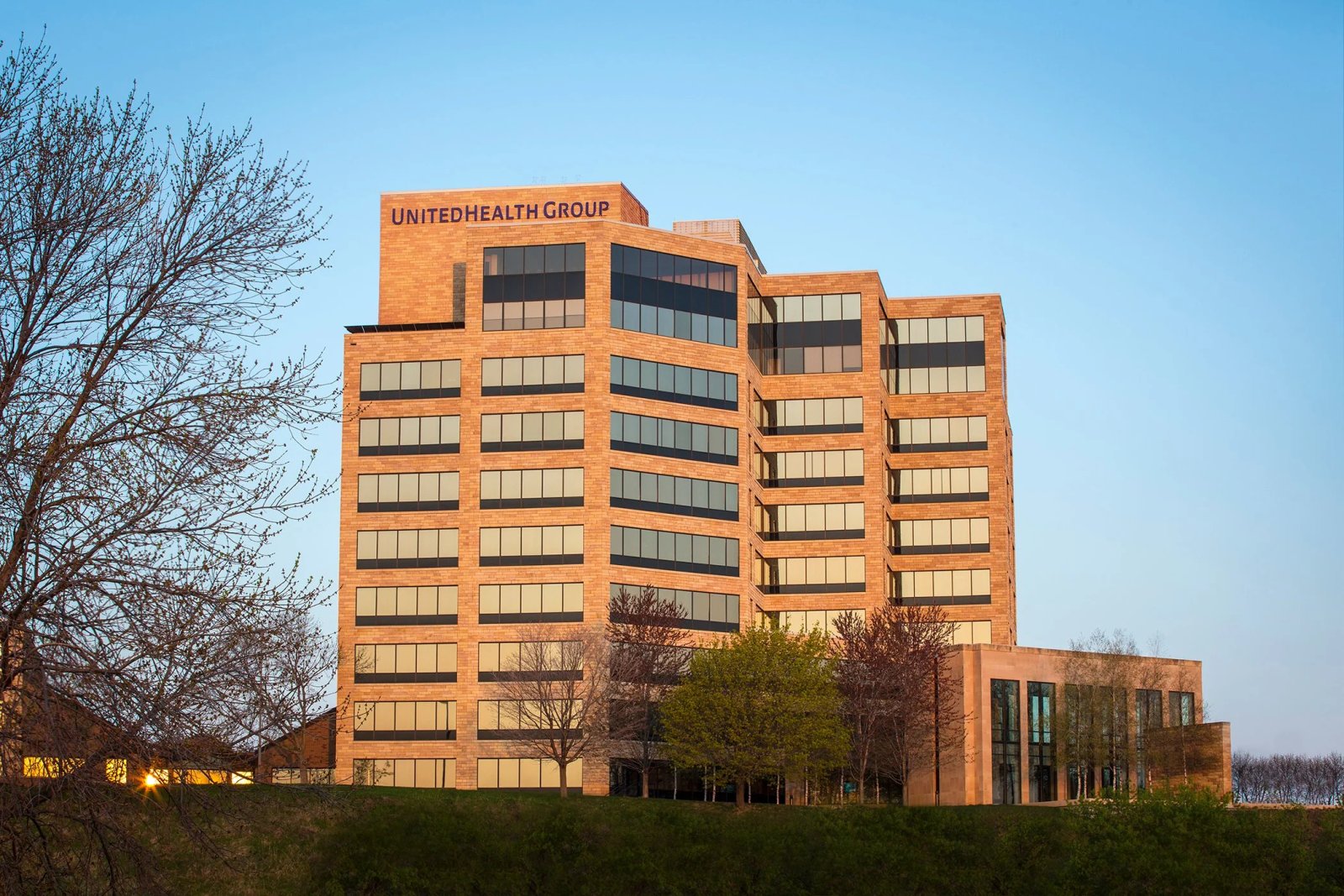
UnitedHealth Group boosted its outlook for the year on the back of $5.5 billion in profit for the second quarter.
The healthcare giant reported its Q2 earnings on Thursday morning, and its profit results surpassed Wall Street analysts’ predictions, according to Zacks Investment Research. By comparison, the company earned $3.4 billion in profit during the prior-year quarter.
UnitedHealth similarly beat the Street on revenue in Q2, posting $112 billion. That’s also an increase year-over-year from the $111.6 billion the company reported in the second quarter of 2025.
One area where the company saw significant improvement is its medical loss ratio, which was 86.7% in the second quarter. It reported an MLR of 89.4% a year ago.
The company said this shift “reflected product design changes, improved medical management and better aligned pricing,” per the earnings report.
Based on the quarter’s results, UHG said it now expects to earn between $19.50 and $20 in earnings per share, up from a previous projection of at least $18.25. Given the performance, especially the reduction in medical costs, shares in the company were up by 6.3% premarket, according to MarketWatch.
At UnitedHealthcare, revenue dipped slightly year over year from $86.1 billion in Q2 2025 to $86 billion in the second quarter of 2026. The insurer covered 48.5 million people as of June 30, down 525,000 from the first quarter of this year.
The company said it’s seen contraction in both Medicaid and Medicare Advantage, with the latter shrinking by 965,000 since the end of 2025.
Optum also posted a rare revenue dip in the quarter, declining from $67.2 billion in the prior-year quarter to $65.7 billion in Q2 2026. Its troubled Optum Health unit has shown “steady momentum,” the company said, though revenue declined year-over-year as it cared for about 700,000 fewer value-based care patients.
In the earnings report, UnitedHealth also offered a deep dive into steps it has taken to address affordability, transparency and simplicity across its businesses. Those commitments have been central to the last year of work at the company following CEO Stephen Hemsley’s return to the post in May 2025.
“Our results and outlook reflect the continuing progress in our work to simplify how we operate, improve both affordability and the health care experience for patients and care providers and apply modern technology to create real improvement for people,” Hemsley said in the earnings release.
Highlights include the launch of a new Public Responsibility Committee as well as its decision to publish a series of reviews of its business practices, ranging from risk adjustment to drugmaker discounts, with all recommendations from those reviews rolled out.
UnitedHealth Group is also leading the industry in a broader effort to reshape and modernize prior authorization. Per the report, the company will eliminate 30% of its current prior approval volume by the end of this year, including nixing two-thirds of prior auth requirements in pediatric care.
It has worked to expand provider eligibility for its Gold Card program, which exempts high performers from prior auth entirely, as well as shift to electronic submissions. UHG expects more than 70% of submissions to be electronic by the end of 2026.
The company has also extended this approach to its pharmacy benefits, and has eliminated close to 33% of drug reauthorizations. It unveiled its new transparent, fee-based pharmacy benefit management model, which aims to offer greater clarity and predictability for both the member and plan sponsor.
In the release, UHG said these efforts “reflect the company’s deep commitment to helping people live healthier lives and helping make the health system work better for everyone.”